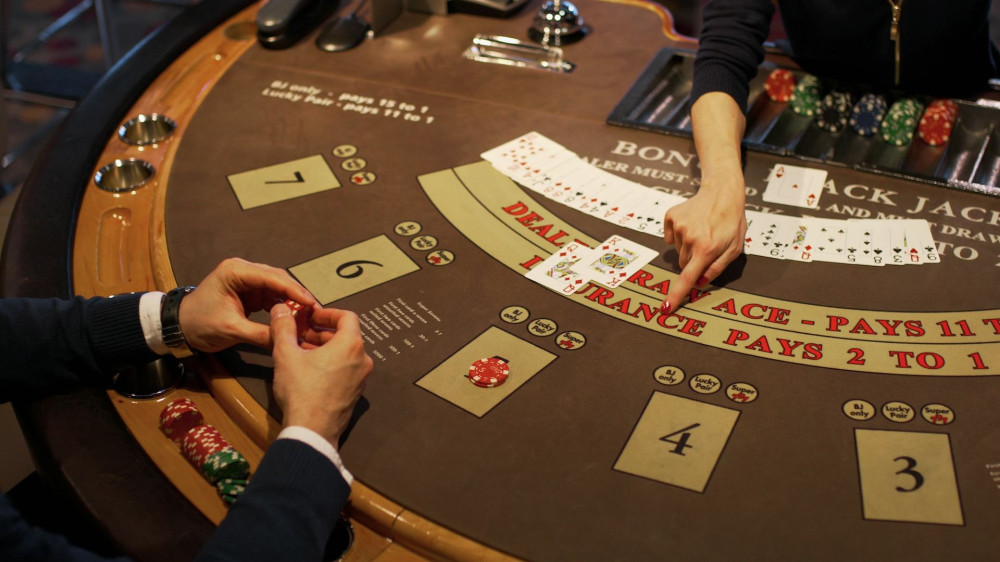
Blackjack in Popular Culture – From the Card Table to the Silver Screen

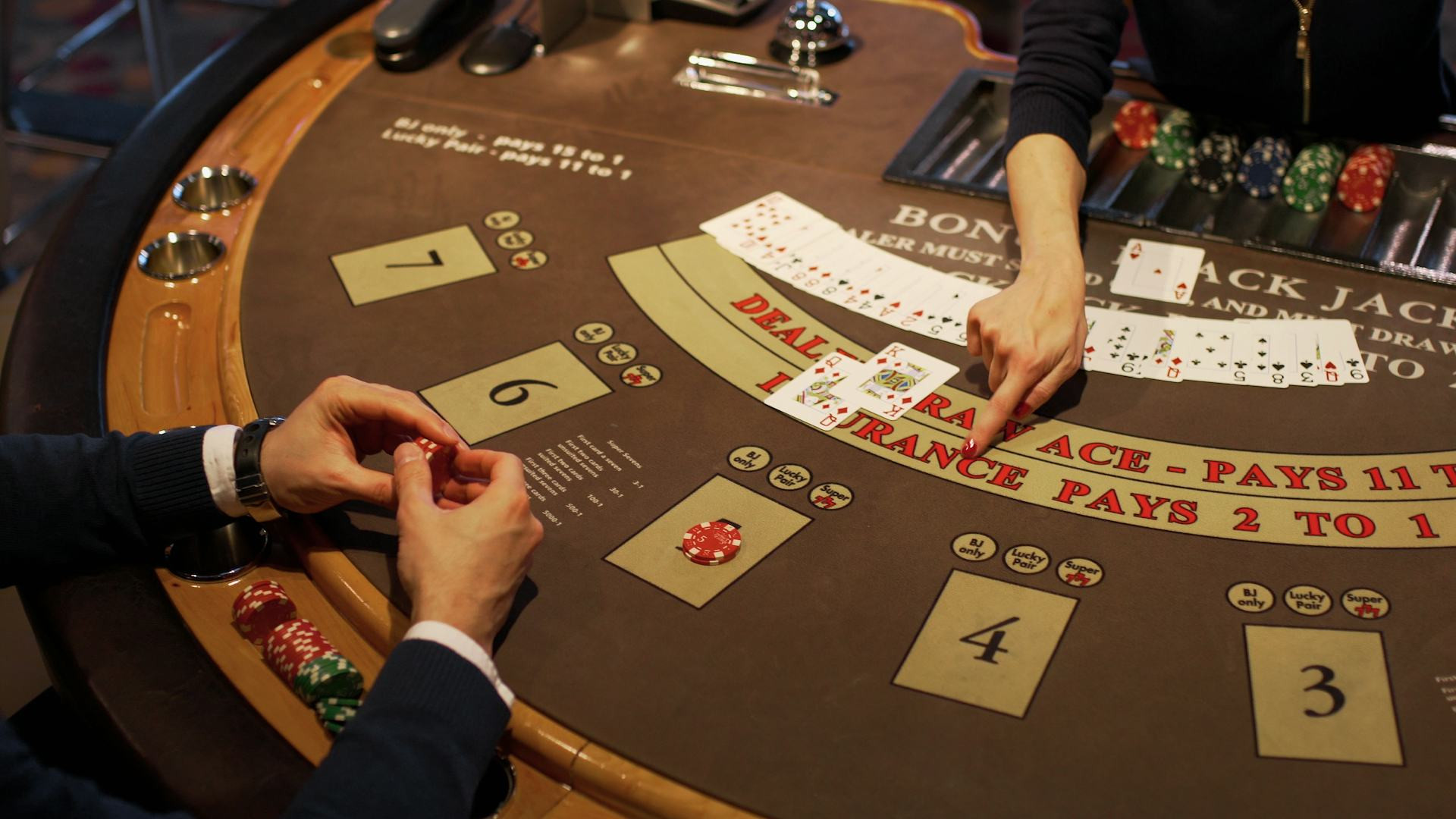
Blackjack in Popular Culture – From the Card Table to the Silver Screen
Blackjack is one of the most recognizable card games in the world – a blend of strategy, luck, and suspense distilled into a simple yet intense contest between player and dealer. But blackjack isn’t confined to the casino floor. Over the decades, it has become a cultural symbol, appearing in films, television, music, and literature. The game represents both risk and control, the dream of beating the system, and the psychology of chance that continues to fascinate audiences.
From Casino Glamour to Hollywood Drama
Few games translate to the screen as naturally as blackjack. The tension of a single card deciding victory or defeat makes it perfect for cinematic storytelling. Hollywood has long recognized this, using blackjack scenes to explore themes of intelligence, risk, and human ambition.
One of the most famous examples is 21 (2008), inspired by the true story of MIT students who mastered card counting to win millions in Las Vegas. The film turned card counting into a pop culture phenomenon and highlighted the allure of outsmarting the house through intellect and nerve.
Earlier films like Rain Man (1988) used blackjack to reveal character depth and genius, while comedies such as The Hangover (2009) played the game for laughs and chaos. In both cases, blackjack becomes more than a game—it’s a mirror reflecting human nature, decision-making, and the fine line between control and chance.
Music and Literature: Blackjack as a Metaphor
In American music, blackjack often serves as a metaphor for life’s gambles. Songwriters have used the imagery of the card table to express love, loss, and the pursuit of fortune. The game’s inherent uncertainty mirrors the risks people take in relationships, careers, and dreams—where one bold move can change everything.
Writers, too, have found inspiration in blackjack’s psychological depth. In novels and short stories, the game often becomes a stage for moral dilemmas and internal conflict. Authors use it to explore ambition, temptation, and the human desire to master fate. Whether set in smoky backrooms or glittering casinos, blackjack scenes often reveal more about the players than the cards themselves.
Læs også:
Television and the Ongoing Fascination
Television has also embraced blackjack as a storytelling device. Shows like Las Vegas and Breaking Bad have used the game to symbolize risk-taking, calculation, and the unpredictable nature of luck. Even in reality TV and late-night talk shows, blackjack appears as a playful challenge—proof of how deeply the game is woven into American entertainment.
The game’s presence on screen reflects its dual identity: part mathematical puzzle, part emotional drama. It’s a game that rewards both logic and instinct, making it a perfect metaphor for the choices people face in everyday life.
A Game of Dual Meanings
Blackjack is more than a pastime—it’s a cultural icon. In popular culture, it represents the eternal tension between skill and chance, control and chaos. When a movie hero bets everything on one final card, it’s rarely just about money. It’s about courage, intuition, and the belief that fate can be influenced by human will.
Perhaps that’s why blackjack continues to captivate audiences. It’s not only a game of numbers but a story about risk, resilience, and the thrill of possibility—both at the card table and on the silver screen.
Læs også: