Roulette and the Psychology of Excitement: When Chance Meets the Feeling of Control

Roulette and the Psychology of Excitement: When Chance Meets the Feeling of Control
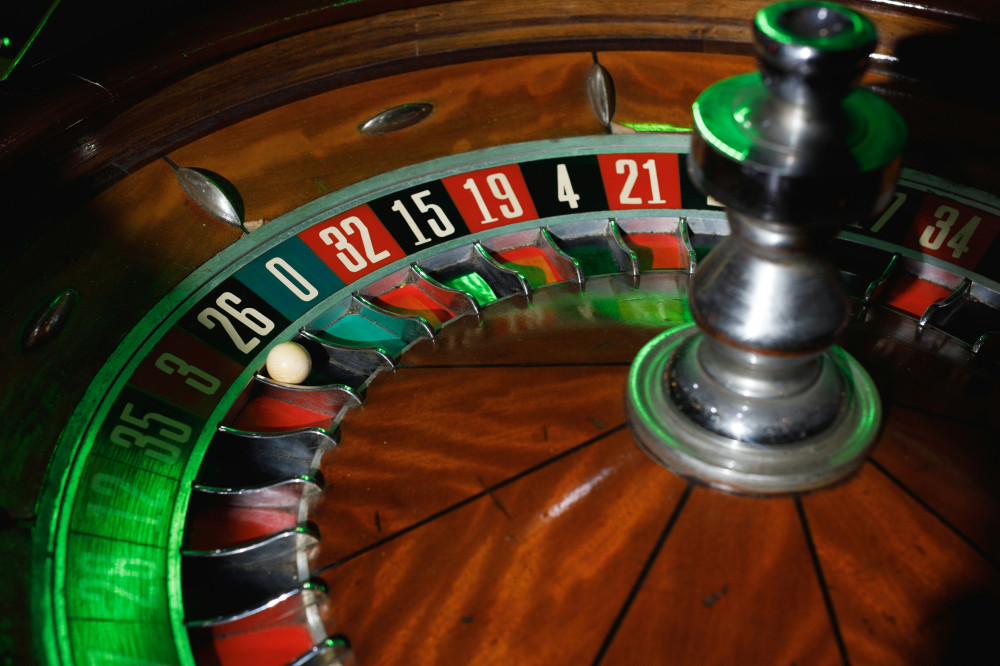
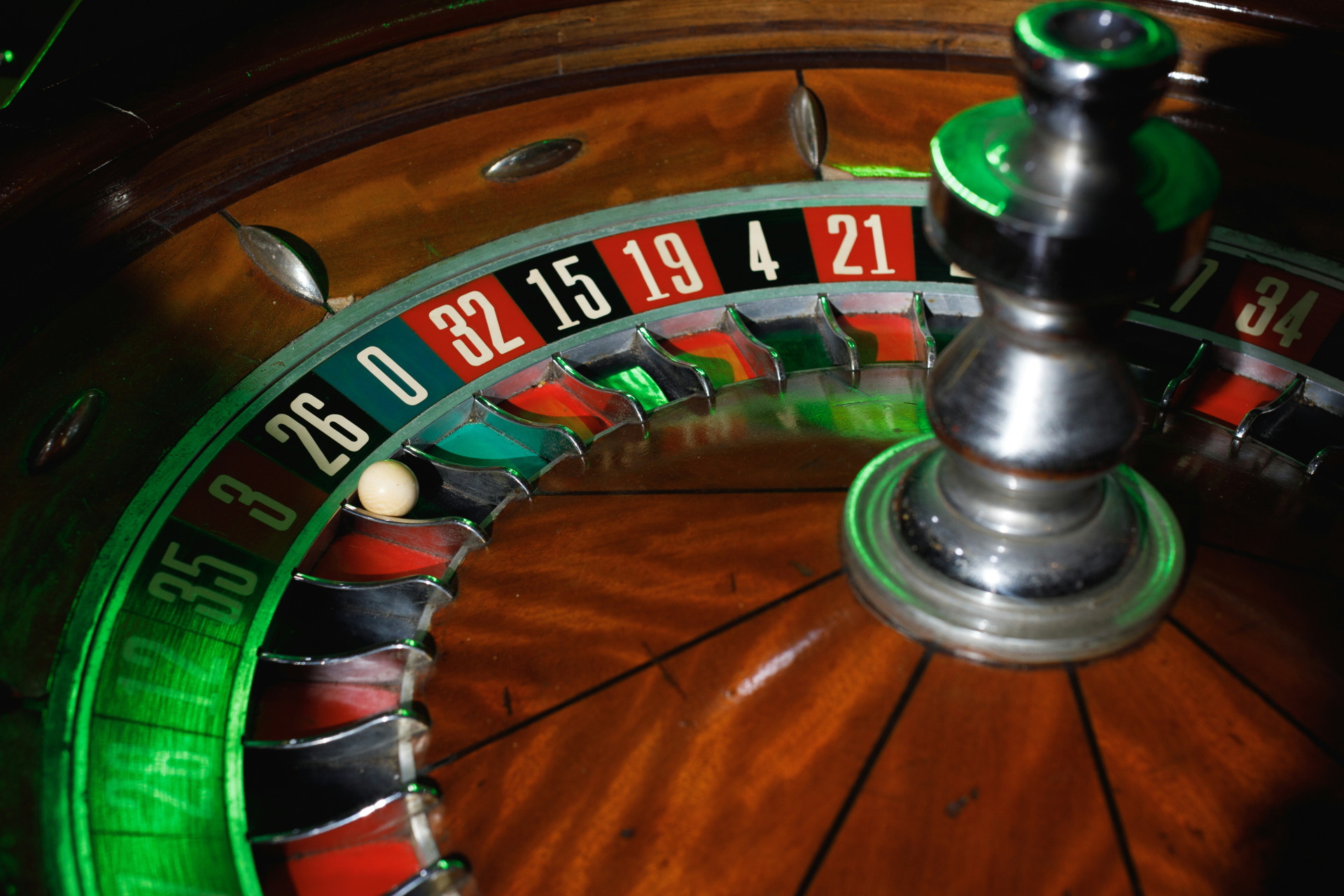
Roulette is one of the most recognizable games in the casino world. The spinning wheel, the small ball bouncing from pocket to pocket, and that final moment when it settles — all combine to create a powerful mix of chance and anticipation. But what is it about this game of pure randomness that captivates so many? The answer lies in human psychology — in our need for control, excitement, and meaning, even when faced with complete uncertainty.
When Chance Feels Like Control
Roulette is, at its core, a game of chance. No player can truly influence where the ball will land. Yet many players feel they can. They might choose certain numbers, colors, or patterns that seem “lucky.” This is known as the illusion of control — a psychological phenomenon where people overestimate their ability to influence outcomes that are actually random.
Humans struggle to accept pure randomness. We look for patterns and causes because they make the world feel more predictable and safe. When the ball lands on red three times in a row, many players believe black is “due” next — even though the odds remain exactly the same. This is the gambler’s fallacy, the mistaken belief that past outcomes affect future ones.
The Biology of Excitement
As the wheel spins and the ball slows, something happens in the brain. The body releases dopamine — a neurotransmitter linked to anticipation and reward. It’s the same chemical that lights up when we win, eat something delicious, or get a notification on our phones.
What’s fascinating is that dopamine isn’t only released when we win, but also during the moment of uncertainty itself. That means it’s not necessarily the victory that drives us, but the thrill of possibility. Roulette, then, becomes more than a game of money — it’s a game of emotion, a controlled form of risk where we can feel adrenaline without real danger.
Rituals and Luck – Small Strategies Against the Unknown
Many roulette players develop small rituals: choosing the same numbers, tapping the table before placing a bet, or waiting for the “right” moment to spin. These actions have no real effect on the outcome, but they provide a sense of control and calm.
Psychologically, rituals help us manage uncertainty. When faced with something unpredictable, we create routines that make the situation feel more structured. It’s the same reason athletes have pre-game rituals or students use a favorite pen during exams — it’s a way to impose order on chaos.
Læs også:


When Excitement Turns Into Addiction
For most people, roulette is a fun, short-lived thrill. But for some, that excitement can become something more serious. The unpredictable nature of rewards — where wins come at random intervals — is one of the most powerful reinforcement patterns known in psychology. It’s the same mechanism that underlies social media and gambling addictions.
As the brain gets used to the dopamine rush, it starts craving it again and again, even when losses outweigh wins. That’s why it’s important to set limits and remember that roulette, in the end, is a game where the house always has the edge.
The Dual Nature of the Game – Between Control and Chaos
Roulette is a fascinating example of how humans deal with chance. On the surface, it’s about numbers and probabilities, but beneath that, it’s about feelings, hope, and illusion. We know we can’t control where the ball lands — yet we play because it feels like we can.
That’s the paradox that makes roulette so compelling: it unites the rational and the irrational, the random and the controlled. In a single spin, anything can happen — and perhaps that’s what makes the game, and the human experience itself, so endlessly intriguing.
Læs også: