Car Finances as Part of the Family’s Overall Budget


Car Finances as Part of the Family’s Overall Budget
For most American families, a car is more than just a way to get from point A to point B—it’s a necessity for work, school, errands, and family trips. But owning a car also represents one of the largest expenses in a household budget. That’s why it makes sense to view car finances as an integrated part of the family’s overall financial plan. Understanding the true costs and planning accordingly can help maintain balance and prevent unpleasant surprises.
What Does a Car Really Cost?
When people think about car expenses, they often focus on gas or electricity, but the real costs go far beyond that. A car involves purchase, operation, and depreciation. You should consider:
- Financing or leasing – monthly payments, interest, and down payments.
- Insurance – liability and comprehensive coverage, which vary by state, vehicle type, and driver profile.
- Fuel or electricity – depending on your driving habits and vehicle type.
- Registration, taxes, and fees – which differ from state to state and can add up annually.
- Maintenance and repairs – oil changes, tires, brakes, and unexpected fixes.
- Depreciation – the loss in value over time, often the largest but least visible cost.
Adding these together gives a more realistic picture of what your car truly costs per month—and how much of your family’s income it consumes.
Choosing a Car with the Budget in Mind
It’s easy to be drawn to a car’s design, brand, or performance, but financially, it’s smarter to start with your actual needs. How far do you drive each year? How many passengers do you usually carry? Do you need towing capacity or extra cargo space?
- Compact cars are typically cheaper to buy, insure, and fuel, but may be less practical for large families.
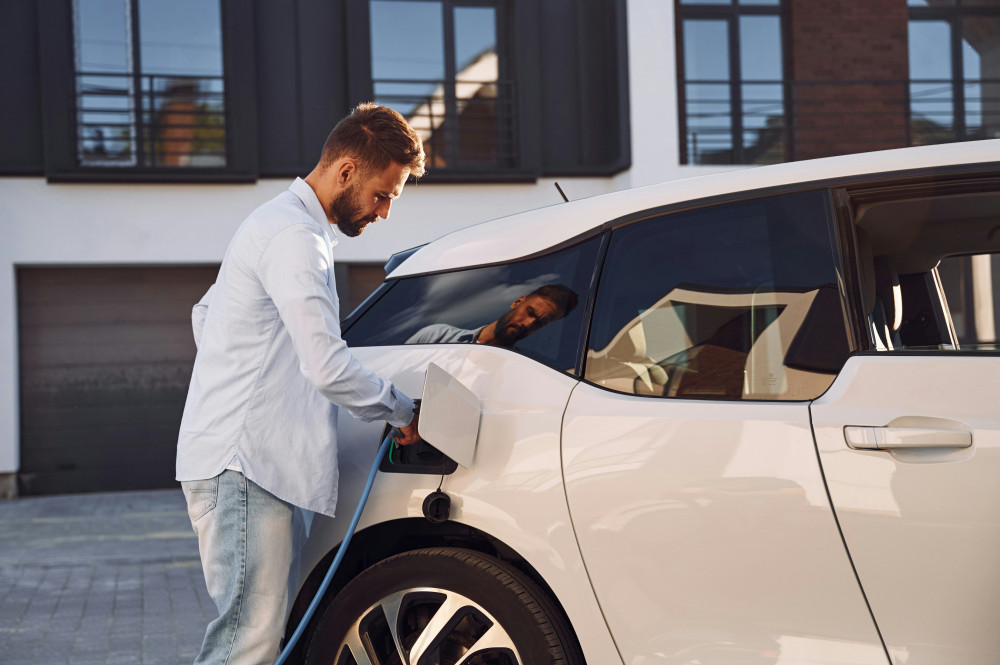
- Electric vehicles (EVs) have lower running and maintenance costs but require a higher upfront investment and access to charging.
- Used cars can be a cost-effective choice, but it’s important to check their condition and service history carefully.
A good rule of thumb is to calculate the total cost of ownership over three to five years, not just the purchase price. This gives a clearer sense of the long-term financial impact.
Læs også:


Planning Car Expenses in the Household Budget
To keep car costs from disrupting your finances, consider setting up a dedicated car fund. Transfer a fixed amount each month to cover both predictable and variable expenses. That way, insurance renewals, maintenance, and new tires become part of your regular budget rather than sudden financial shocks.
It’s also wise to save toward future replacement. When it’s time to trade in or buy a new car, you’ll already have funds available for a down payment or to reduce the need for financing.
The Shift Toward Greener Transportation
The transition to cleaner transportation is reshaping car ownership costs. Electric and hybrid vehicles often qualify for federal or state incentives and have lower operating expenses, but electricity prices and charging infrastructure vary widely. As technology evolves, so do the economics of owning an EV.
Some families find it practical to combine options—using a smaller electric car for daily commuting and renting or car-sharing for long trips. This approach can be both financially and environmentally smart.
When the Car Reflects Life Changes
A car isn’t just a financial decision—it’s part of your lifestyle. For families with young children, a reliable vehicle may be essential. Later in life, when commuting patterns or family size change, your car needs—and costs—may shift dramatically.
Reevaluating your vehicle choice every few years ensures that it still fits your current situation and that you’re not paying for more car than you need.
A Healthy Car Budget Strengthens the Family’s Finances
Managing car finances isn’t about giving up the convenience of driving—it’s about using your resources wisely. When your car expenses are planned and integrated into your overall budget, you gain control, security, and flexibility to prioritize other goals—like vacations, home improvements, or savings.
In short: a well-thought-out car budget doesn’t just keep your vehicle running smoothly—it helps keep your entire family’s finances on the right track.
Læs også: