Choose the Right Car for Your Budget: Size, Engine, and Features Affect Costs

Choose the Right Car for Your Budget: Size, Engine, and Features Affect Costs
Buying a car isn’t just about style, comfort, or performance—it’s also a major financial decision. The choices you make regarding size, engine type, and features will affect not only the purchase price but also fuel costs, insurance, and maintenance. Here’s a guide to help you choose a car that fits your budget—both now and in the long run.
Size Matters More Than You Think
A car’s size is one of the biggest factors influencing total ownership costs. Smaller cars are generally cheaper to buy, insure, and fuel, while larger vehicles often come with higher expenses across the board.
- Compact cars are ideal for city driving and short commutes. They’re affordable to run but may feel cramped on long trips.
- Midsize sedans and crossovers offer more space and comfort, but they usually cost more to insure and maintain.
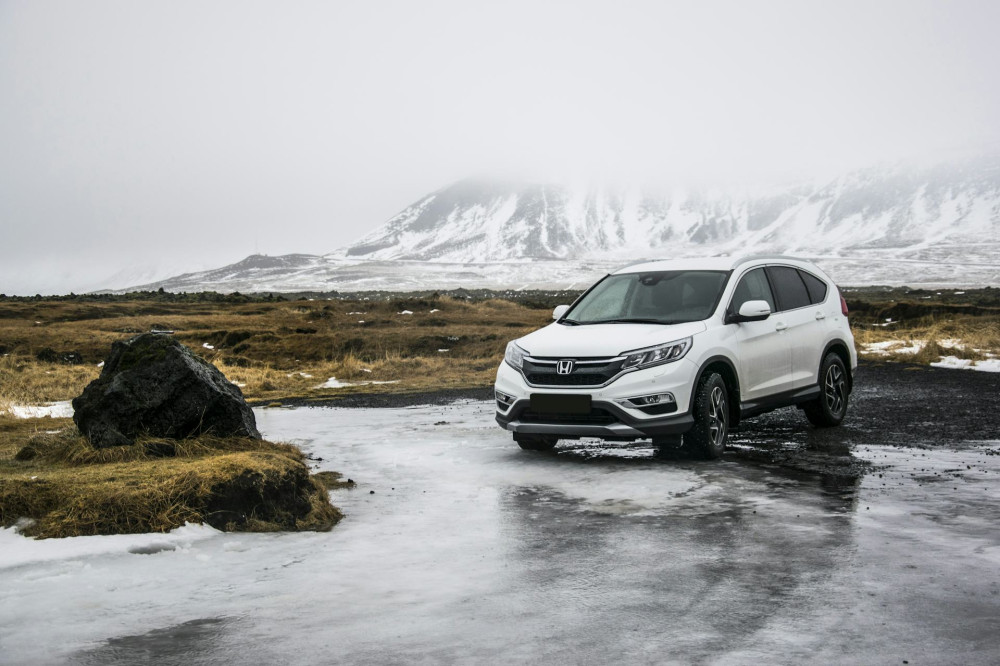
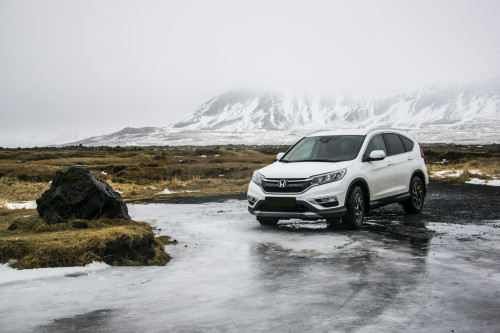
- Large SUVs and trucks provide power, towing capacity, and room for families, but they consume more fuel and wear out tires and brakes faster.
Think carefully about how much space you truly need. Many Americans buy bigger vehicles than necessary—and end up paying for unused capacity.
The Engine: Balancing Power and Efficiency
Your choice of engine affects both driving experience and long-term costs. A powerful engine can be fun, but it usually burns more fuel and increases emissions.
- Gasoline engines are common and well-suited for short commutes and mixed driving.
- Diesel engines are rare in U.S. passenger cars but can be efficient for heavy-duty trucks or long-distance driving.
- Hybrids combine gas and electric power, offering excellent fuel economy in city traffic.
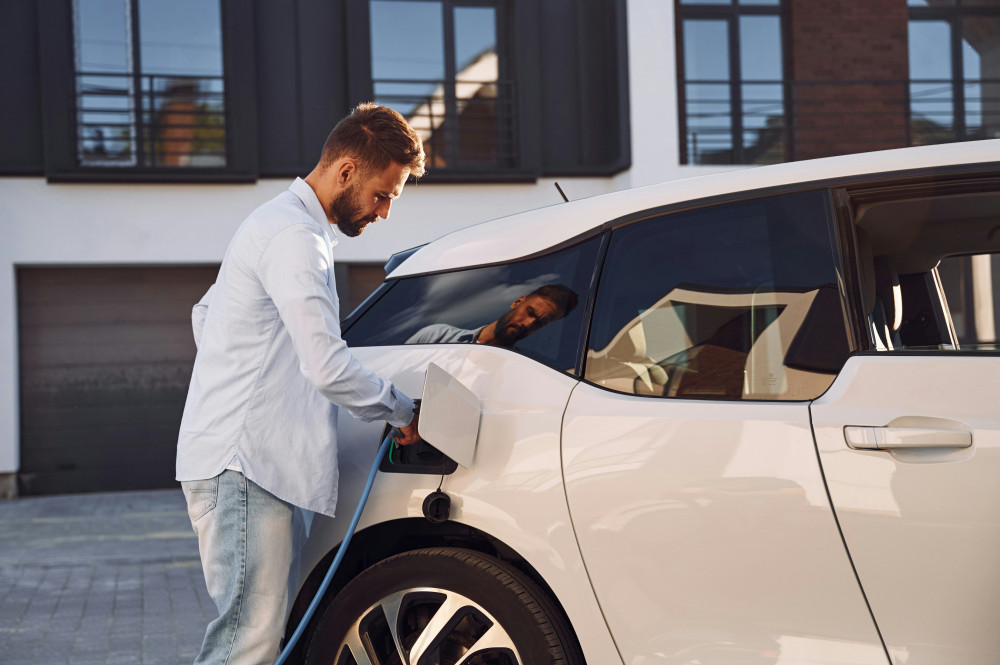
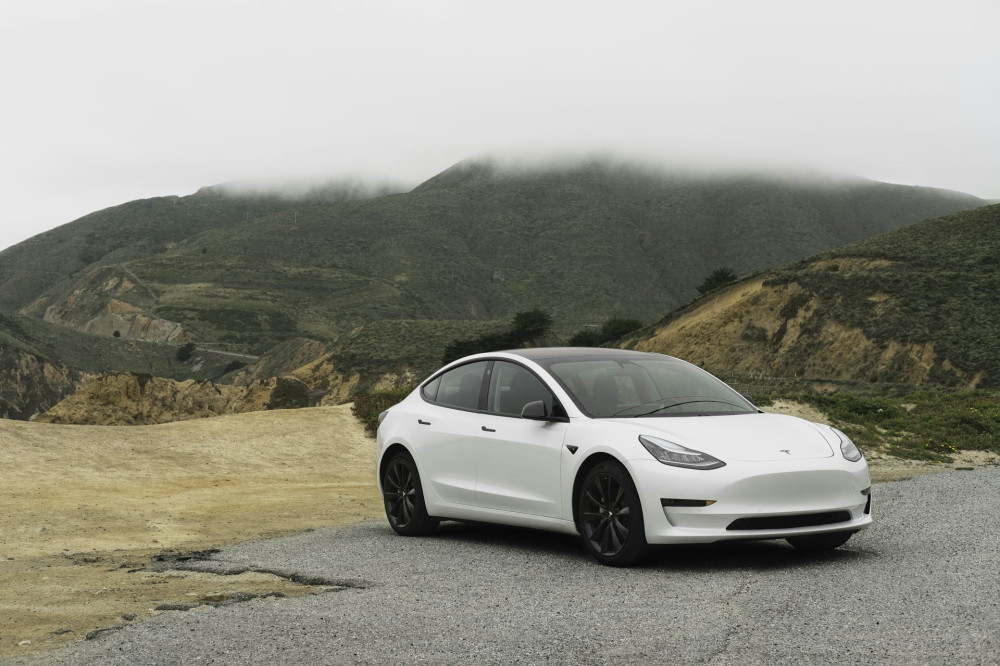
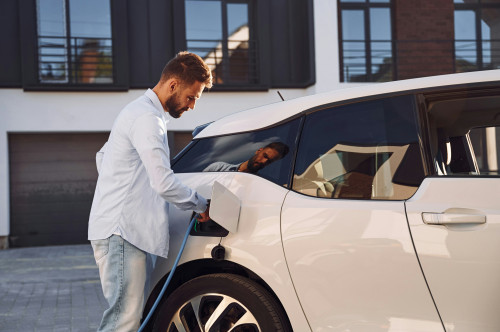
- Electric vehicles (EVs) have low running costs and zero tailpipe emissions, but they come with higher upfront prices and require access to charging stations.
Consider your driving habits: if you mostly drive short distances or in urban areas, a hybrid or EV might save you money. For long highway trips or towing, a gas or hybrid SUV may be more practical.
Features: Comfort Comes at a Price
Modern cars can be equipped with everything from advanced safety systems to luxury add-ons. But every extra feature adds to the cost—and sometimes to the vehicle’s weight, which can reduce fuel efficiency.
Focus on features that add value and safety:
- Driver-assistance systems like automatic emergency braking, adaptive cruise control, and blind-spot monitoring can reduce accident risk and may lower insurance premiums.
- Comfort features such as heated seats or dual-zone climate control can make daily driving more pleasant if you spend a lot of time behind the wheel.
- Skip unnecessary luxury options if you’re watching your budget—they rarely increase resale value enough to justify the cost.
Operating Costs: The Hidden Part of Your Budget
When comparing cars, don’t stop at the sticker price. Ongoing expenses can vary widely between models.
- Fuel or electricity: Check EPA fuel economy ratings, but remember that real-world mileage often differs.
- Insurance: Premiums depend on the car’s value, safety ratings, and your driving record.
- Maintenance and repairs: Some brands have higher parts and labor costs. Look into warranty coverage and service plans.
- Taxes and registration: These vary by state and vehicle type—larger or more powerful cars often cost more to register.
A smart move is to calculate total cost of ownership over three to five years. This gives a clearer picture of what the car will truly cost you.
Læs også:

New, Used, or Lease?
Whether you buy new, used, or lease depends on your finances and how long you plan to keep the car.
- New cars come with warranties and the latest technology but lose value quickly in the first few years.
- Used cars are cheaper upfront but require careful inspection and may have higher maintenance costs.
- Leasing offers predictable monthly payments and the chance to drive a new car every few years, but you won’t own the vehicle and must follow mileage limits.
Think about how much you drive and how long you want to keep the car—these factors can make one option more cost-effective than another.
Think Long-Term—and Be Realistic
The right car for your budget isn’t necessarily the cheapest one—it’s the one that fits your lifestyle and driving needs without straining your finances. A vehicle that’s too large, too powerful, or too feature-packed can quickly become a financial burden.
Set a realistic budget that includes both fixed and variable costs. Use online calculators to compare models and estimate total expenses. And remember: the best car is the one you can comfortably afford to drive every day, not just the day you buy it.
Læs også: