Sustainable Home Savings – An Investment in the Future and the Environment

Sustainable Home Savings – An Investment in the Future and the Environment
Saving for a home is one of the most significant financial goals many Americans pursue. But as sustainability becomes a growing priority in both personal finance and everyday life, new ways of thinking about home savings are emerging—approaches that combine financial security with environmental responsibility. Sustainable home savings are not just about owning a house; they’re about investing in a greener, more resilient future.
What Does Sustainable Home Savings Mean?
Traditionally, saving for a home has meant setting aside money for a down payment, renovations, or future maintenance. Today, however, you can choose savings and investment options that also support environmental progress. Many financial institutions now offer green savings accounts or investment funds that channel your money into renewable energy, sustainable housing, or other eco-friendly projects.
Sustainable home savings can also mean planning for a home that minimizes energy use, incorporates environmentally friendly materials, and is built to last. In this way, your savings become both a financial foundation and a contribution to a cleaner planet.
Green Banks and Investment Opportunities
Across the United States, more banks and credit unions are introducing green financial products that allow your money to work for the environment. These may include:
- Green savings accounts, where deposits are invested in renewable energy, sustainable infrastructure, or community development projects.
- Sustainable investment funds, which focus on companies with strong environmental, social, and governance (ESG) practices.
- Green mortgage programs, which offer better terms or incentives for energy-efficient homes or eco-friendly renovations.
By choosing these options, you can align your financial goals with your values—helping to drive positive change while building your own financial stability.
Læs også:
Saving for an Energy-Efficient Home
When planning your home savings, it pays to think about energy efficiency from the start. An energy-efficient home not only reduces your carbon footprint but can also lower your utility bills and increase your property’s value over time.
Consider setting aside part of your savings for green upgrades such as:
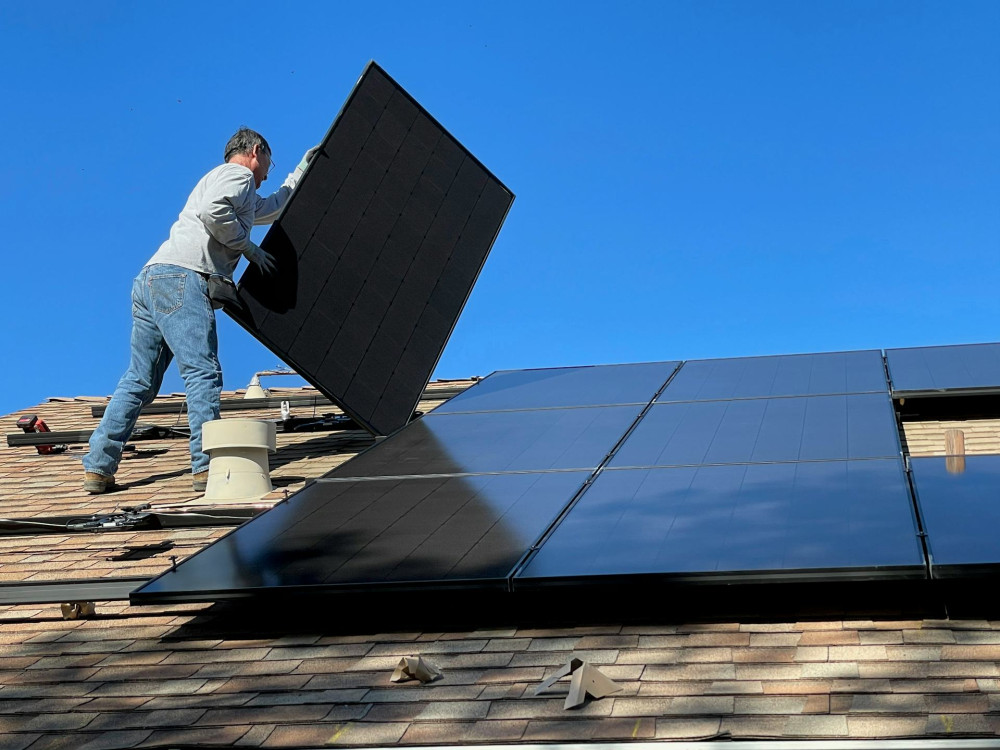
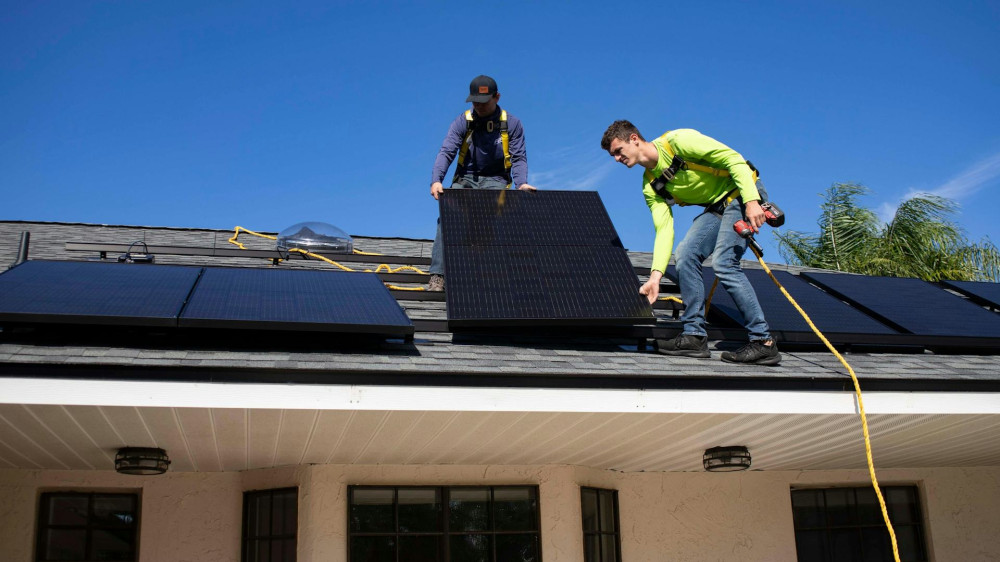
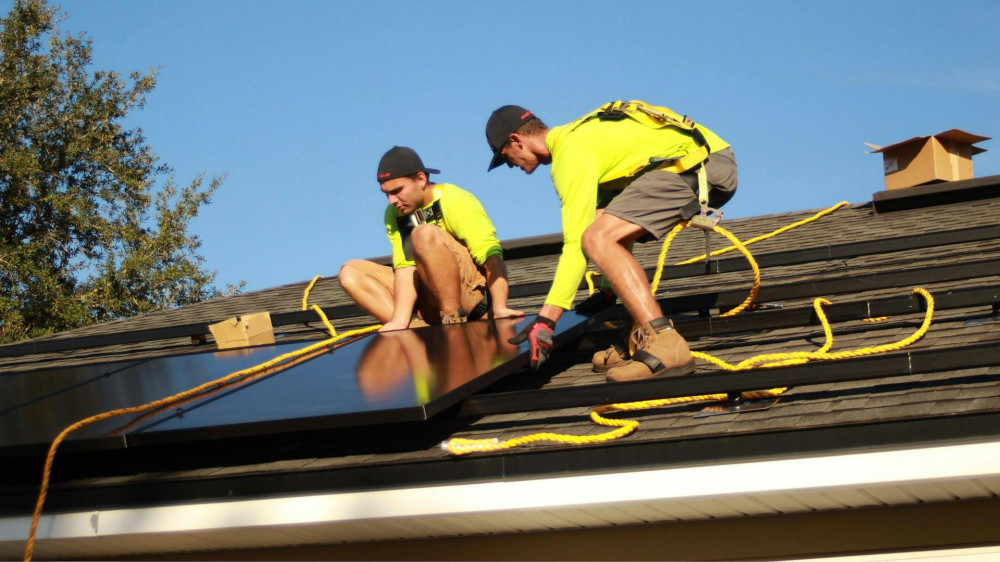
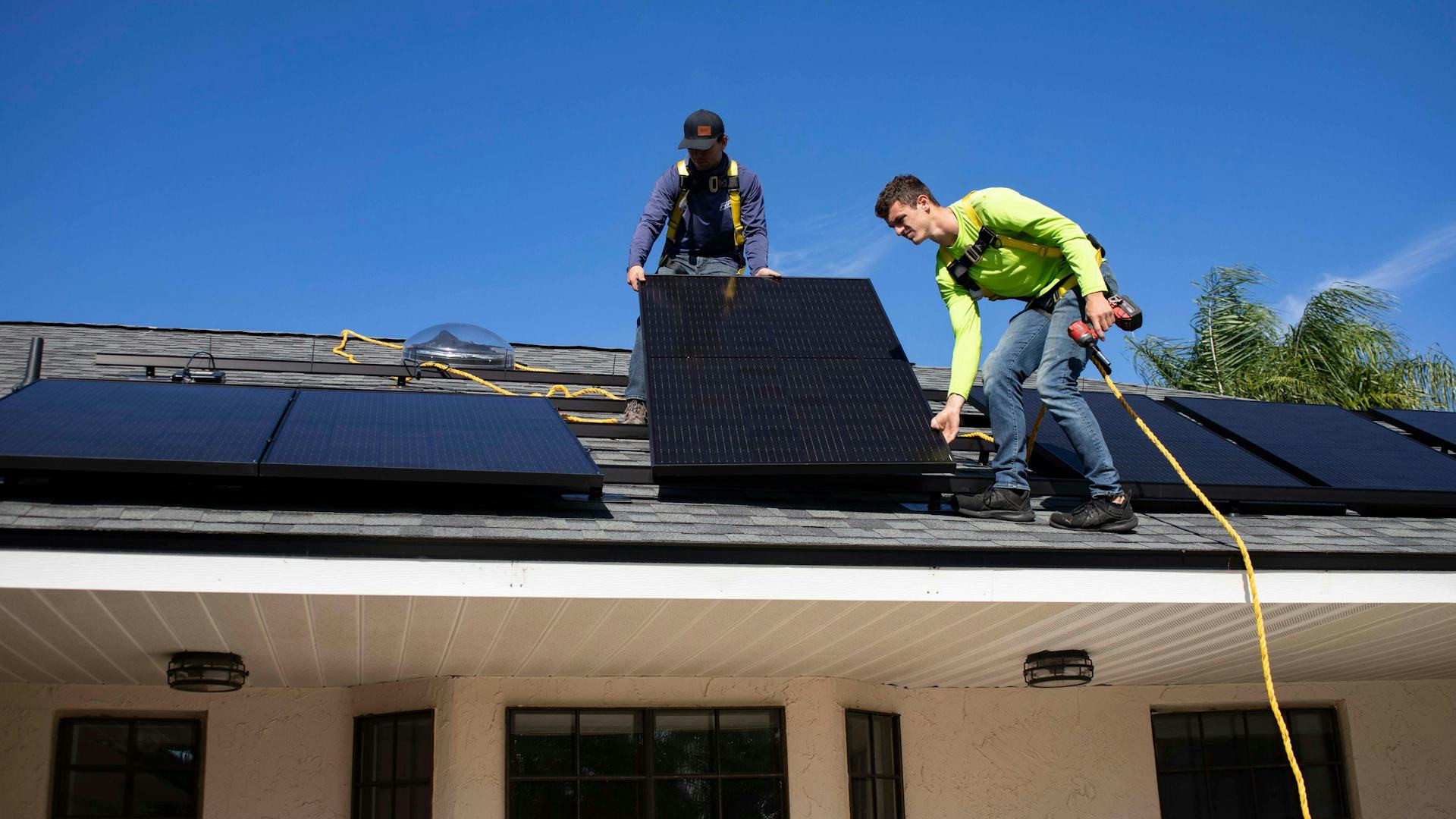
- Solar panels or geothermal heating systems
- High-efficiency insulation and windows
- Rainwater collection systems or drought-resistant landscaping
- Recycled or sustainably sourced building materials
These improvements can make your home more comfortable, reduce long-term costs, and contribute to a more sustainable community.
Making Sustainability Part of Your Financial Strategy
Incorporating sustainability into your financial planning doesn’t require drastic changes. It’s about making conscious choices—selecting banks with green initiatives, investing responsibly, and planning home projects with environmental impact in mind.
You can start small: research how your current bank invests your deposits, or move a portion of your savings into a sustainable fund. Over time, these decisions can make a meaningful difference for both your finances and the planet.
An Investment in the Future—on Every Level
Sustainable home savings are more than a financial strategy; they’re a way to take responsibility for the future—your own and the planet’s. By saving with purpose, you create security for yourself and your family while supporting a shift toward greener living.
It’s an investment that goes beyond bricks and square footage—an investment in a future where financial well-being and environmental stewardship go hand in hand.
Læs også: