When Shared Decisions Come at a Cost: How to Navigate Your Homeowners Association’s Finances Safely

When Shared Decisions Come at a Cost: How to Navigate Your Homeowners Association’s Finances Safely
Living in a community governed by a Homeowners Association (HOA) can bring many benefits—shared amenities, well-kept surroundings, and a sense of neighborhood pride. But it also means shared financial responsibility. When the board proposes a new roof, a pool renovation, or a landscaping upgrade, those decisions affect every homeowner’s wallet. Understanding how your HOA’s finances work—and how to engage responsibly—can help protect both your property value and your peace of mind.
Shared Finances, Shared Responsibility
An HOA’s budget covers everything from routine maintenance and insurance to long-term capital projects. Every homeowner contributes through monthly or annual dues, and sometimes through special assessments when unexpected costs arise.
That means every member has a stake in how money is spent and saved. A healthy HOA doesn’t just focus on keeping dues low—it plans ahead, builds reserves, and makes decisions that balance short-term comfort with long-term stability.
Know the Financial Foundation
Start by reviewing your HOA’s financial documents. These are typically available to all members and include the annual budget, financial statements, and reserve study. Pay attention to:
- Reserve funds – Is there enough saved for major repairs or replacements, such as roofs, roads, or elevators?
- Debt and loans – Does the HOA carry debt, and if so, what are the repayment terms?
- Operating expenses – Are costs for maintenance, insurance, and management increasing faster than dues?
- Delinquencies – How many homeowners are behind on payments, and how does that affect cash flow?
If something isn’t clear, ask questions. Transparency is a cornerstone of good governance, and as a homeowner, you have the right to understand how your money is managed.
When Big Decisions Are on the Table
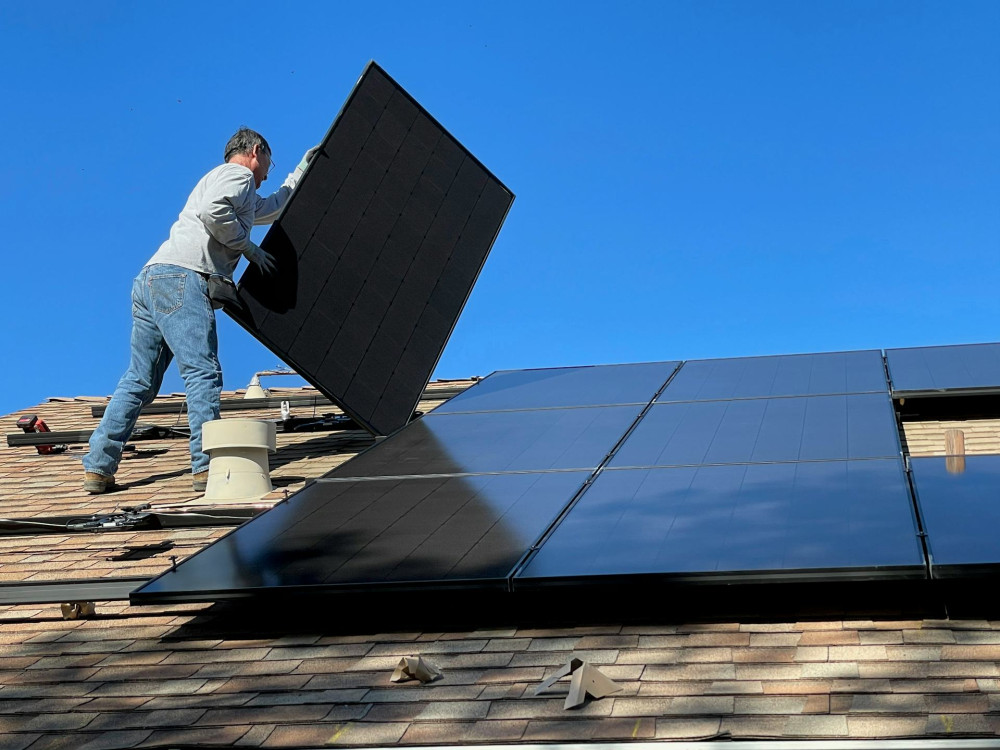
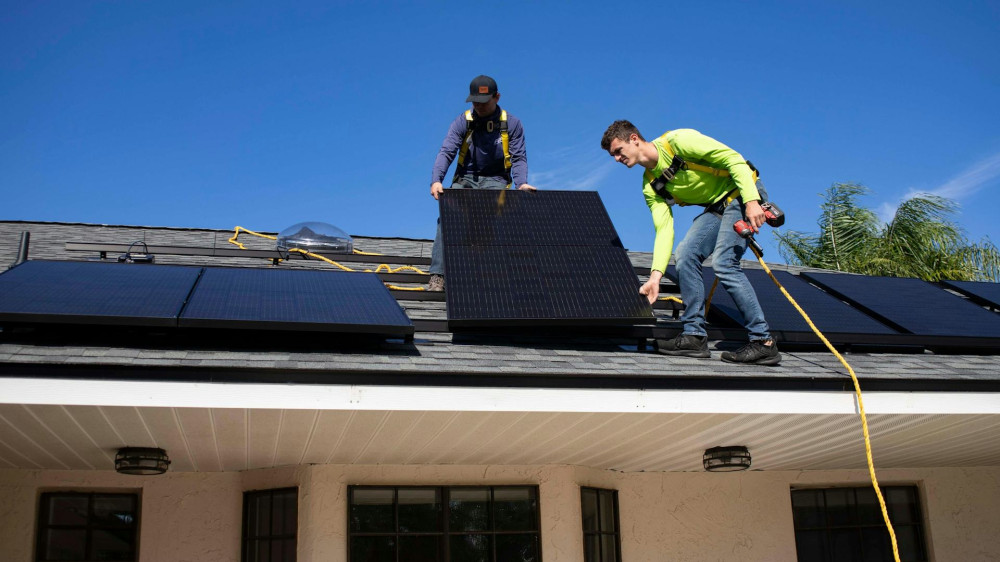
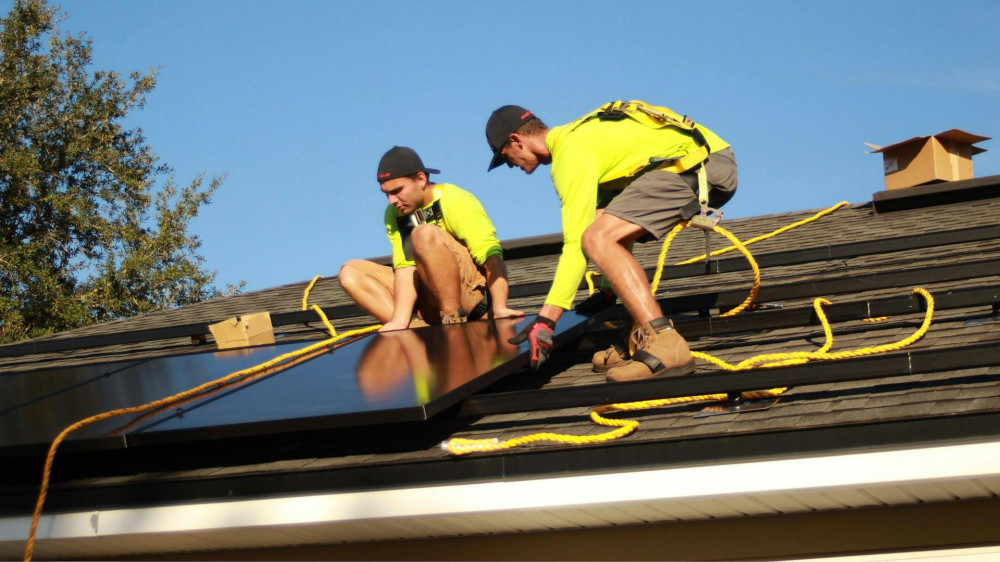
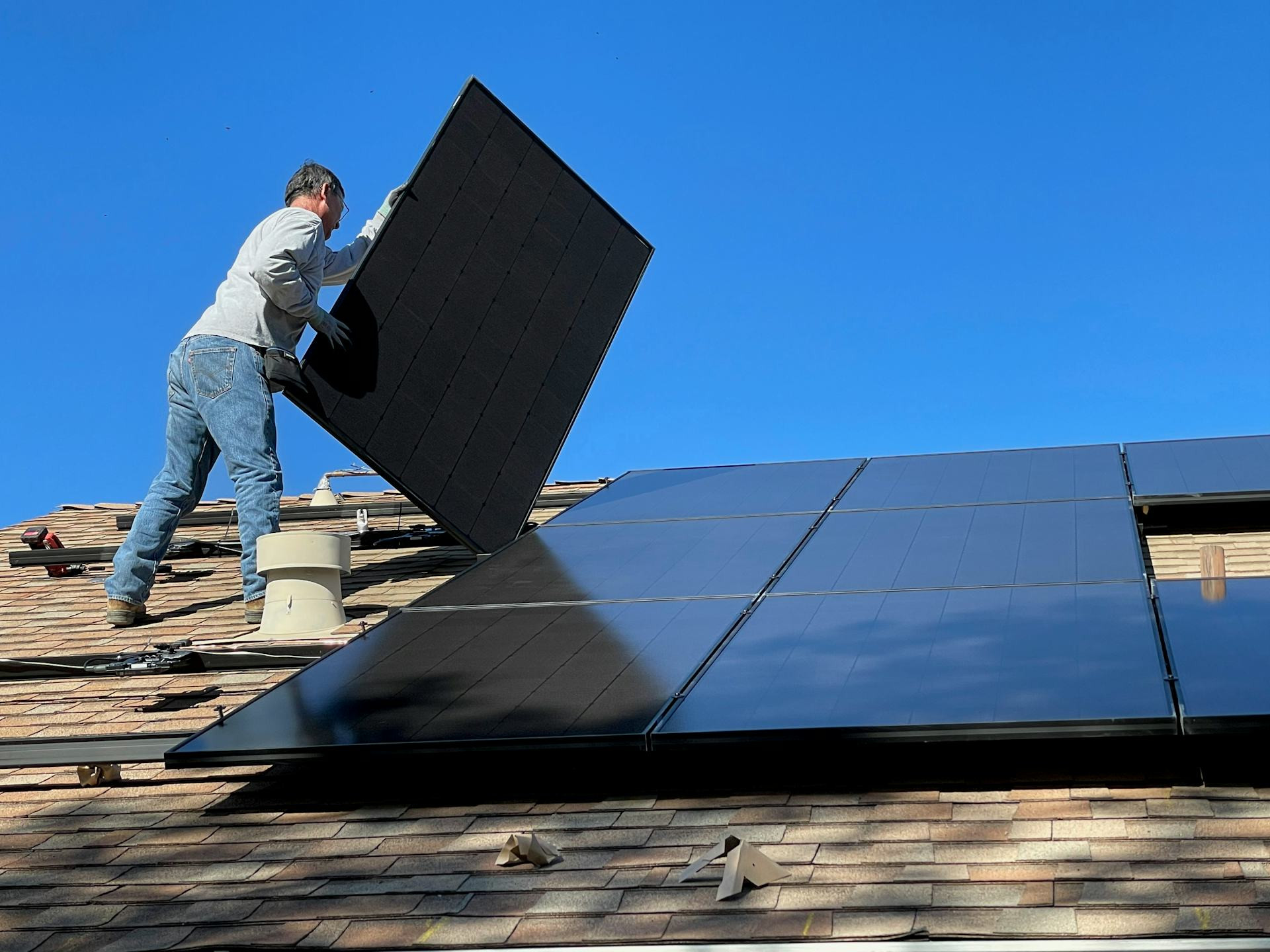
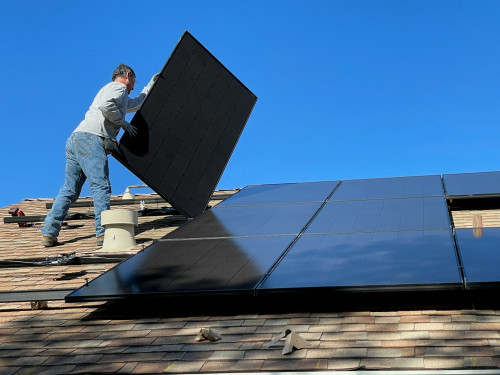
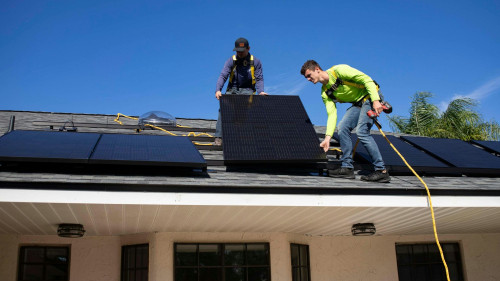
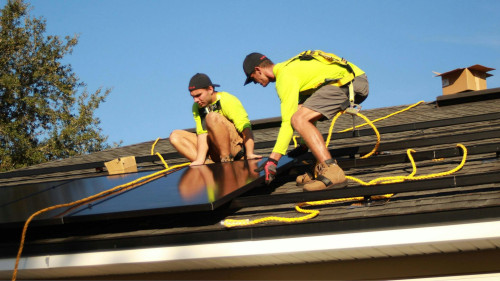
Major projects—like repaving streets, upgrading security systems, or installing solar panels—often require member approval. Before voting, make sure you understand the full picture:
- What is the total cost, and how will it be financed?
- Will it require a special assessment or an increase in dues?
- Have alternative options been considered?
- How will the project affect property values and future maintenance costs?
A project that looks appealing today can become a financial burden tomorrow if it’s not carefully planned. Always ask for professional estimates and long-term cost projections before approving large expenditures.
Læs også:

Avoiding Common Pitfalls
Many HOAs run into trouble not because of bad intentions, but because of poor planning or communication. Common financial pitfalls include:
- Overly optimistic budgets that underestimate real costs.
- Insufficient reserves, forcing the HOA to borrow or levy special assessments.
- Short-term fixes that ignore long-term maintenance needs.
- Lack of transparency, leaving homeowners in the dark about financial decisions.
The larger the project, the more important it is to seek outside expertise—from accountants, reserve specialists, or construction consultants. Professional advice can prevent costly mistakes.
The Board’s Role—and Yours
The HOA board is responsible for managing the community’s finances and operations, but homeowners play a vital role too. Read the meeting minutes, review financial reports, and attend annual meetings. The more informed the membership, the stronger the community’s decision-making becomes.
If you serve on the board, prioritize openness. Share budgets, audits, and project updates promptly. Encourage questions and feedback. Transparency builds trust—and trust makes it easier to navigate tough financial choices together.
Think Long-Term, Even When Things Look Good
A well-funded HOA today can still face trouble tomorrow if it doesn’t plan ahead. Every major component of a property—roofs, roads, plumbing, and paint—has a lifespan. Saving gradually for those inevitable expenses is far better than scrambling for funds when something fails.
A realistic reserve study and disciplined savings plan are the best defenses against sudden fee hikes or emergency loans. It may not be exciting to build reserves, but it’s the surest way to keep your community financially stable.
Community and Finances Go Hand in Hand
An HOA isn’t just a financial entity—it’s a community. When homeowners understand where their money goes and feel included in decisions, trust grows. That trust makes it easier to tackle big projects, even when they come with a price tag.
Navigating your HOA’s finances safely isn’t just about numbers—it’s about communication, accountability, and shared responsibility. When everyone works together with transparency and foresight, the community thrives—both financially and socially.
Læs også: