Green Financing: How to Integrate Energy Improvements into Your Construction Plan

Green Financing: How to Integrate Energy Improvements into Your Construction Plan
When planning a construction project—whether it’s a new home, an addition, or a major renovation—it makes sense to include energy improvements from the very beginning. Doing so can lower your long-term operating costs, improve comfort, and make your project more attractive to lenders who increasingly offer green financing options. Here’s a guide to help you integrate energy upgrades into your construction plan while taking advantage of the financial benefits that come with sustainable building.
What Is Green Financing?
Green financing refers to loans and credit products designed to support environmentally sustainable projects—typically those that reduce energy consumption or carbon emissions. Many U.S. banks, credit unions, and mortgage lenders now offer lower interest rates or better terms if you can demonstrate that your project meets certain energy-efficiency or sustainability standards.
Examples include:
- New construction that meets ENERGY STAR® or LEED certification requirements.
- Renovations that significantly improve a home’s Home Energy Score or HERS Index rating.
- Installation of renewable energy systems such as solar panels, geothermal heat pumps, or high-efficiency HVAC systems.
By planning energy improvements early, you can reduce future expenses and qualify for more favorable financing terms.
Start with an Energy Assessment
Before breaking ground, it’s wise to conduct a home energy assessment or energy audit. A certified energy auditor can identify where your home or design can achieve the greatest energy savings and return on investment.
Common high-value improvements include:
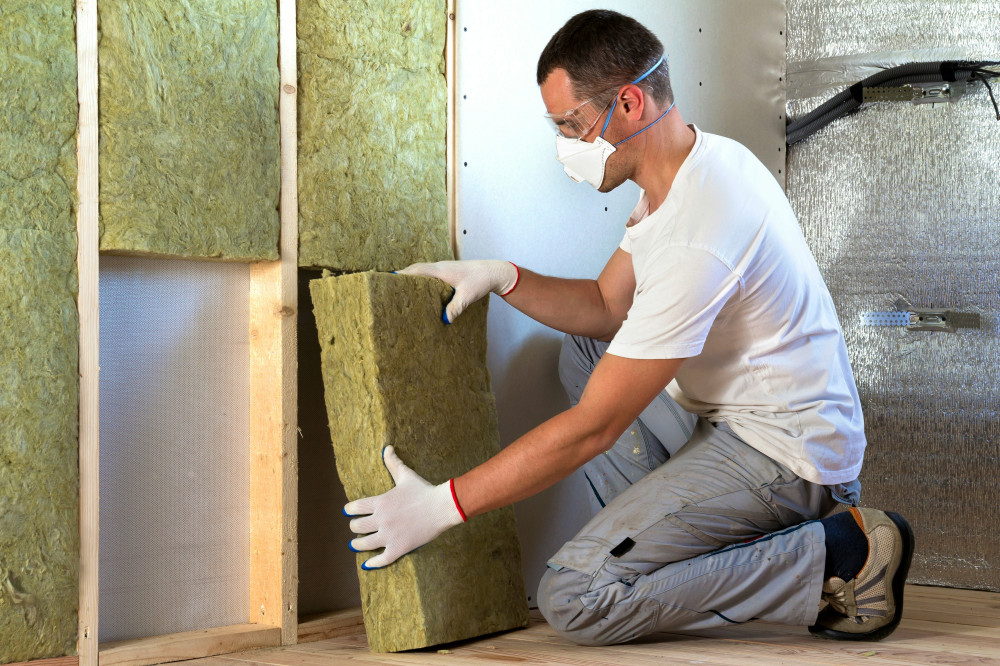
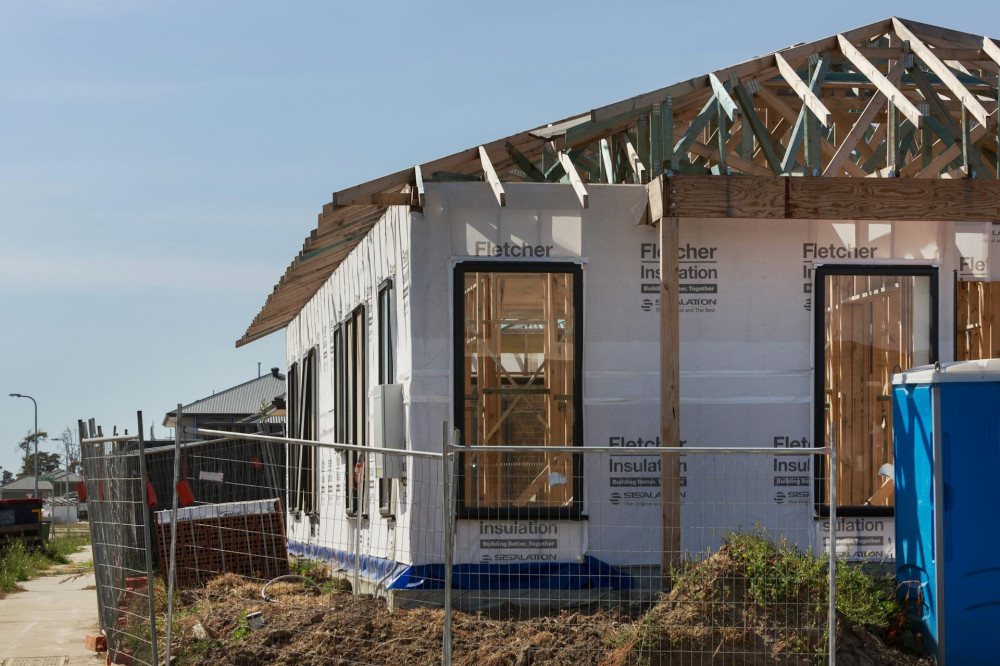
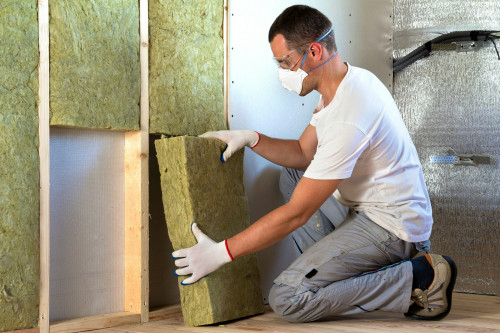
- Upgrading insulation in walls, attics, and floors.
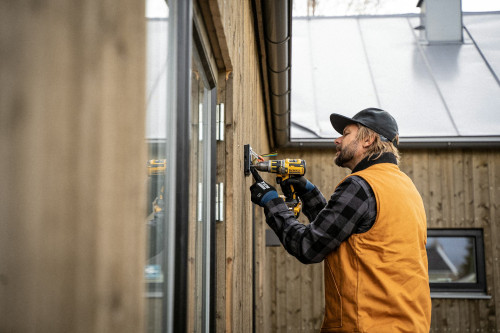
- Replacing old windows with ENERGY STAR®-rated models.
- Installing high-efficiency heating and cooling systems.
- Improving ventilation and adding heat recovery systems.
An energy assessment also provides documentation that lenders often require when you apply for green financing.
Integrate Energy Improvements into the Construction Plan
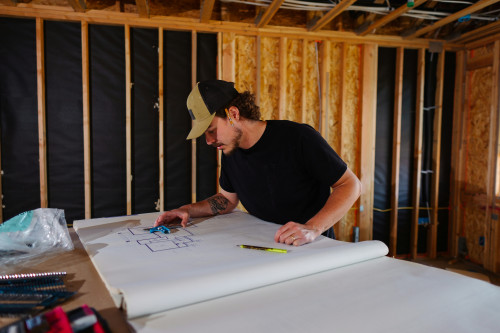
Energy efficiency should be built into your project’s design—not added as an afterthought. This approach helps coordinate contractors, materials, and timelines more effectively.
Consider the following:
- Material selection: Choose low-carbon or recycled materials such as sustainably sourced wood, recycled steel, or cellulose insulation.
- Building design: Orient your home to maximize natural light and passive solar heating. South-facing windows and proper shading can reduce heating and lighting needs.
- Mechanical systems: Plan space for solar panels, heat pumps, or battery storage during the design phase.
- Smart technology: Incorporate smart thermostats, lighting controls, and energy management systems to optimize performance automatically.
A holistic approach ensures your building is both energy-efficient and financially sustainable.
How to Apply for Green Financing
Once you have a clear plan for your energy improvements, explore your financing options. Many U.S. lenders now offer green home loans, energy-efficient mortgages (EEMs), or PACE (Property Assessed Clean Energy) financing.
You’ll typically need to provide:
- Documentation of your home’s current and projected energy performance.
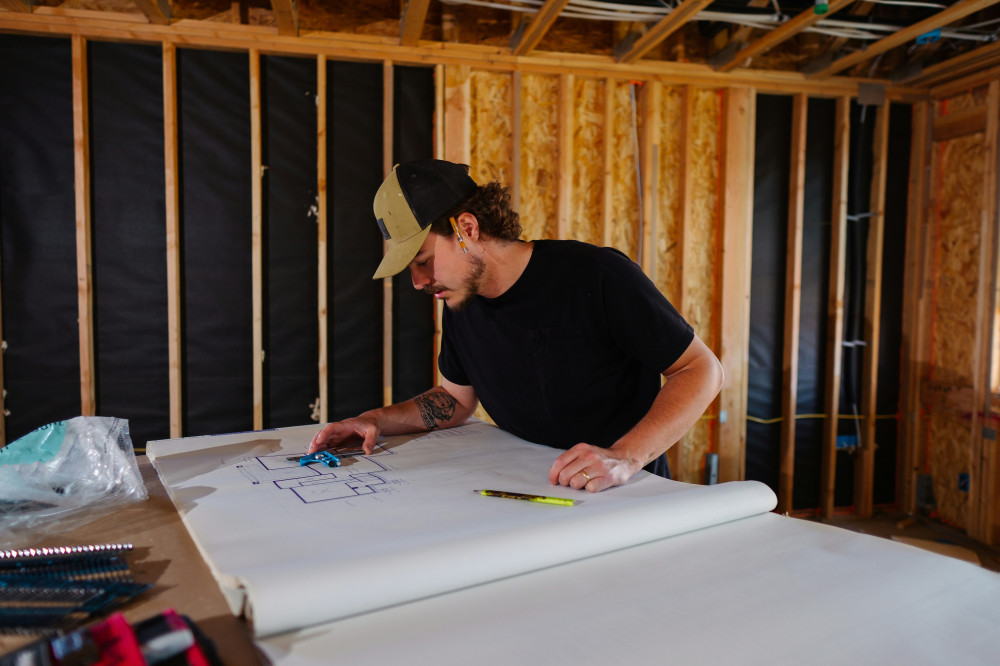
- A detailed plan outlining the proposed energy improvements.
- Supporting calculations or certifications from an energy professional.
Some lenders offer lower interest rates or higher borrowing limits for projects that meet specific sustainability criteria. Compare offers from multiple institutions to find the best fit for your project.
Læs også:
Federal and State Incentives
In addition to green financing, you may qualify for federal, state, or local incentives. Programs such as the Inflation Reduction Act (IRA) provide tax credits and rebates for energy-efficient upgrades, including solar installations, heat pumps, and insulation improvements. Many states and utilities also offer rebates or low-interest loans for renewable energy and efficiency projects.
Check the Database of State Incentives for Renewables & Efficiency (DSIRE) to find programs available in your area. Because funding can be limited, it’s best to apply early and ensure your project meets all eligibility requirements.
Think Long-Term—Financially and Environmentally
While energy improvements require an upfront investment, they often pay for themselves over time through lower utility bills, increased property value, and improved comfort. At the same time, you’re contributing to a cleaner environment and reducing your carbon footprint.
By combining energy-efficient design with green financing, you achieve a double benefit: lower costs and a more sustainable home. With careful planning and proper documentation, your construction project can stand out as both a smart financial decision and a responsible environmental choice.
Læs også: