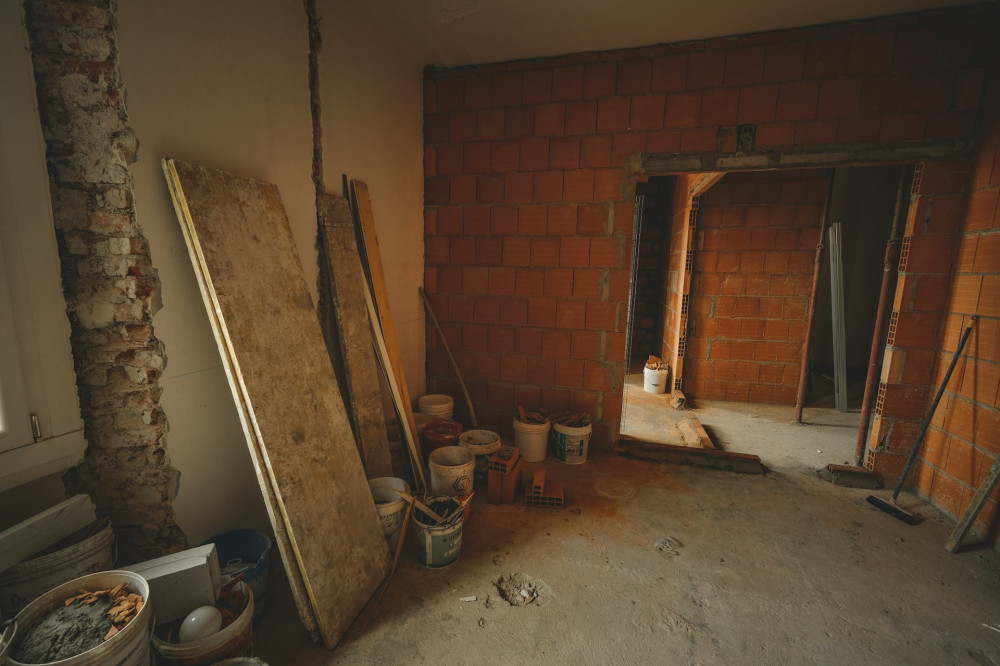
Prepare Your Home Before Construction: Good Preparation Saves Time and Money

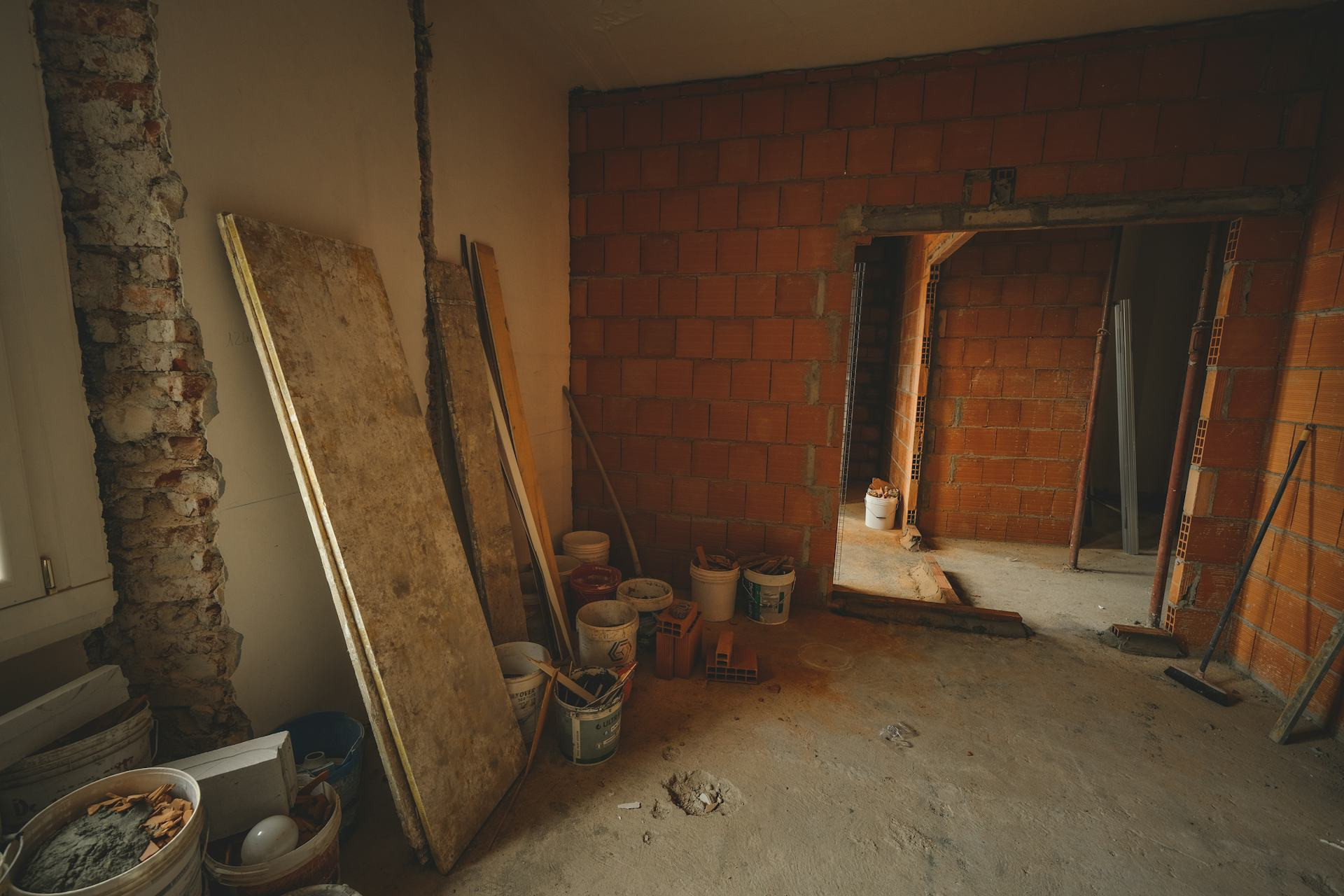
Prepare Your Home Before Construction: Good Preparation Saves Time and Money
A home construction project—whether it’s a remodel, an addition, or a new kitchen—starts long before the contractors arrive. Careful preparation can save you time, money, and stress. Many homeowners underestimate how much can be done before the first hammer swings: clearing space, planning logistics, and setting up temporary living arrangements. Here’s a guide to help you get your home ready so your project runs as smoothly as possible.
Start with a Realistic Plan
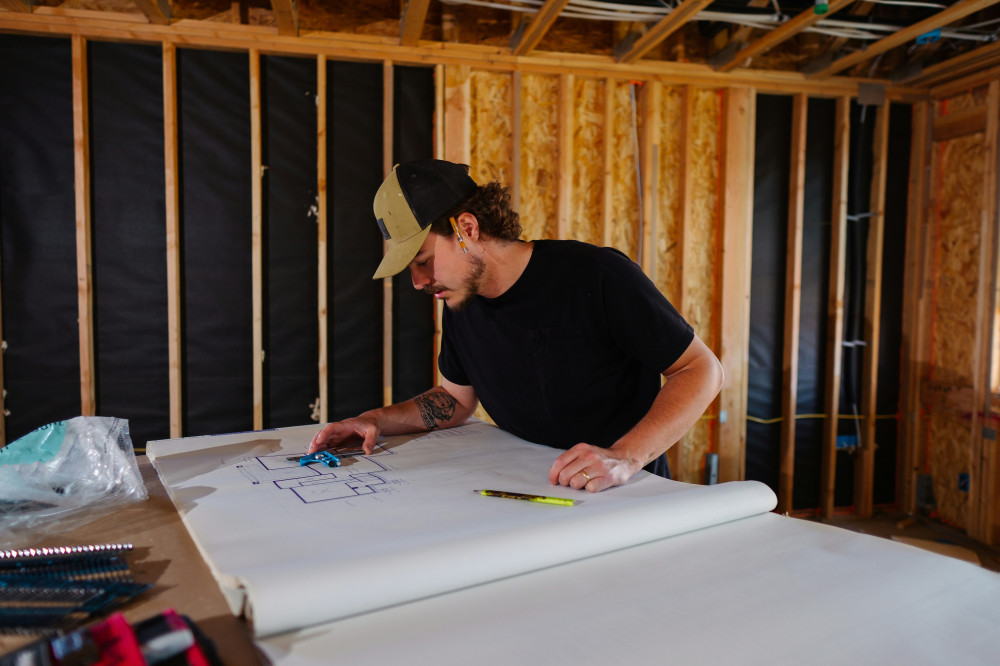
Before any work begins, make sure you have a clear plan for what will be done and how it will unfold. Review the project with your contractor and clarify:
- Which rooms will be affected—and for how long?
- Will utilities like electricity, water, or HVAC need to be shut off?
- Where will materials and tools be stored?
- Which entrances will be used for moving materials in and out?
The more precisely you can answer these questions, the easier it will be to adjust your daily routine and avoid unpleasant surprises.
Clear and Protect What Stays
One of the most important steps before construction starts is clearing the work area. Remove furniture, rugs, curtains, and personal items. This protects your belongings from dust and damage—and gives workers the space they need to do their job efficiently.
If there are items that can’t be moved, cover them securely with plastic sheeting or drop cloths. Don’t forget to protect floors and door frames in adjacent rooms, since dust and foot traffic tend to spread quickly.
A helpful tip: take photos of each room before work begins. This makes it easier to restore your setup afterward and can be useful if there’s any question about damage.
Think About Access and Logistics
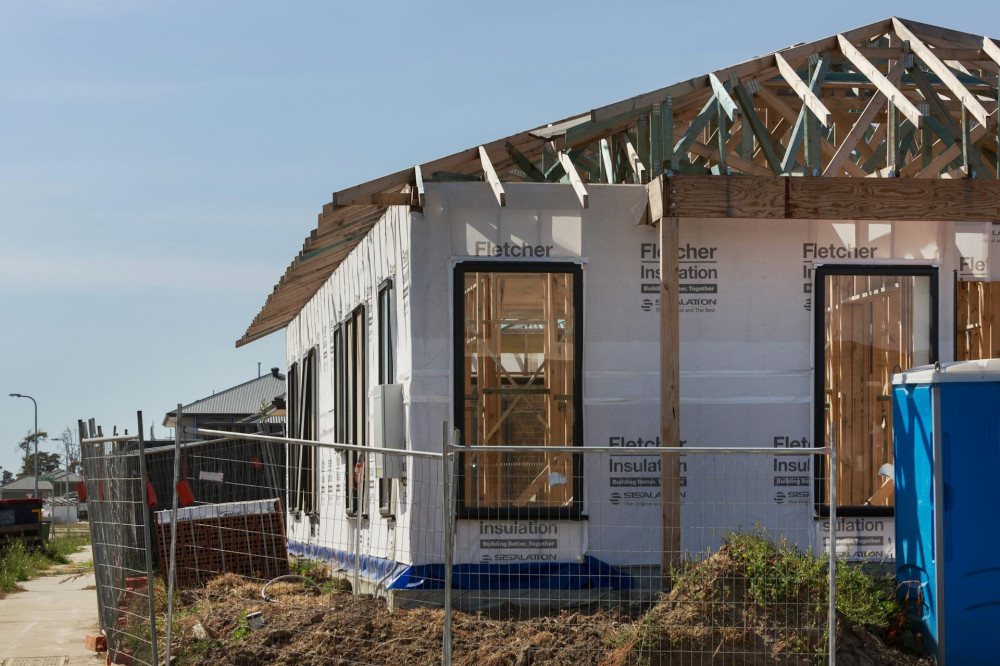
Construction projects often require easy access for workers, materials, and debris removal. Make sure driveways and walkways are clear, and provide instructions for where contractors can park. If you live in a neighborhood with a homeowners association, check whether you need to notify them about the project or obtain any permits for dumpsters or portable toilets.
Plan where materials and waste will go. A rented dumpster in the driveway is convenient, but if it needs to be placed on the street, you may need a permit from your local municipality.
Prepare for Daily Life During Construction
Even small projects can disrupt your daily routine. If your kitchen will be out of commission, set up a temporary “mini kitchen” with a microwave, coffee maker, and cooler in another room. If your bathroom is being remodeled, arrange to shower at a gym or a friend’s house.
Noise and dust are inevitable, so plan accordingly. Try to schedule the loudest work for times when you’re away from home. If you work remotely, consider using a coworking space or library during the noisiest phases.
Læs også:
Communicate Clearly with Your Contractor
Good communication is key to a successful project. Establish a main point of contact and agree on how you’ll stay in touch—whether through weekly check-ins, text messages, or a shared project app.
Be clear about your expectations for cleanup, work hours, and access to your home. Setting these boundaries early fosters mutual respect and reduces the risk of misunderstandings.
Keep Safety in Mind
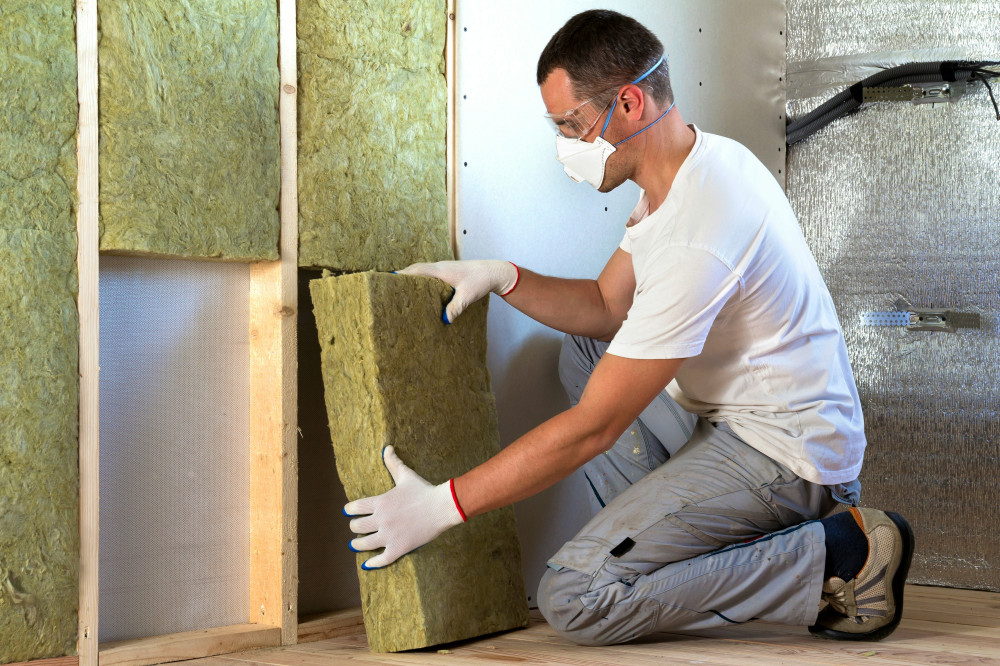
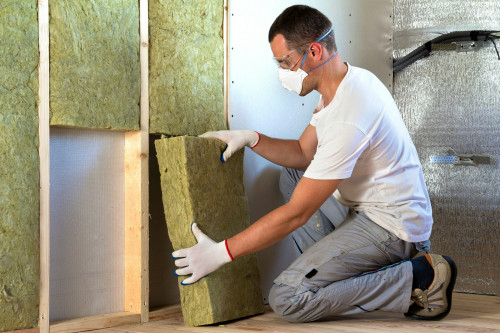
Even small construction zones can be hazardous. Keep children and pets away from the work area. Remove tripping hazards like cords and tools, and ensure proper ventilation if paints, adhesives, or insulation materials are being used.
It’s also wise to review your homeowner’s insurance to confirm coverage for potential damage during construction. Make sure your contractor is licensed, insured, and bonded according to your state’s requirements.
After Construction – The Final Touches
When the work is done, there are still a few steps before you can fully enjoy your new space. Start with a thorough cleaning—construction dust gets everywhere. Then walk through the project with your contractor and create a punch list of any remaining issues that need attention.
Once everything is complete and approved, you can settle back in and appreciate the results of your investment.
A Smart Investment in Peace of Mind
Preparing your home before construction might feel like extra work, but it’s an investment that pays off. A well-organized start leads to a smoother process, fewer delays, and less stress. Ultimately, it’s about creating the best possible conditions—for both the professionals doing the work and for you, the homeowner, who will enjoy the finished result.
Læs også: