Sustainable Construction as a Path to a More Eco-Friendly Everyday Life

Sustainable Construction as a Path to a More Eco-Friendly Everyday Life
Sustainable construction is about more than saving energy or choosing eco-friendly materials—it’s about creating buildings and homes that respect people, the environment, and the economy. As climate change and resource consumption become increasingly urgent issues in the United States, sustainable construction is emerging as a key part of the solution. But how can it contribute to a greener everyday life—and what can homeowners do to make a difference?
What Does Sustainable Construction Mean?
Sustainable construction takes a holistic approach to building, considering the entire life cycle of a structure—from material selection and energy use to maintenance and eventual reuse or recycling. The goal is to minimize environmental impact while creating healthy, functional, and economically viable spaces.
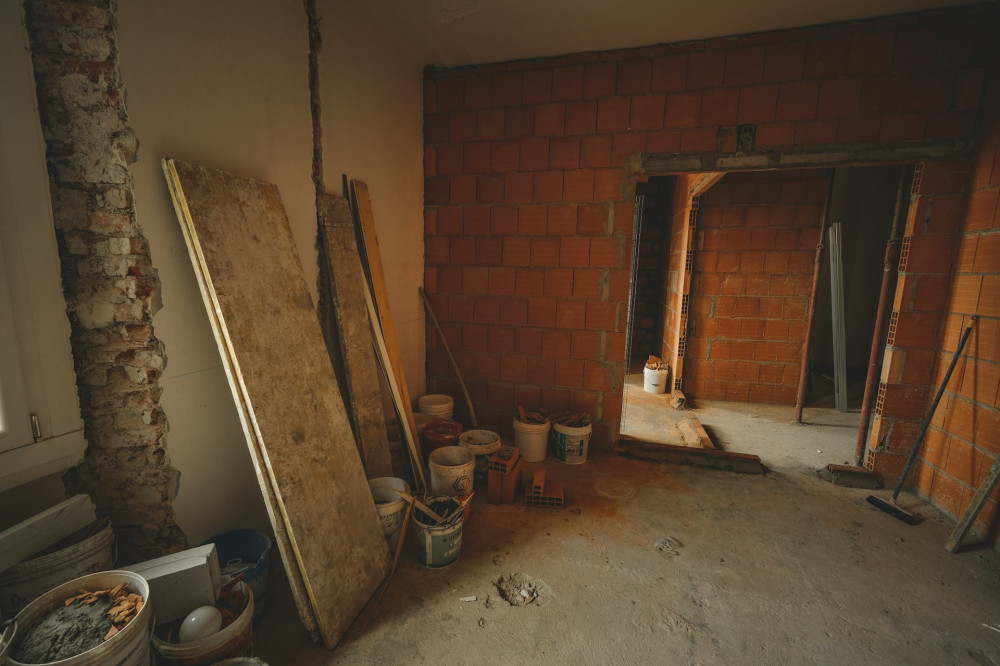
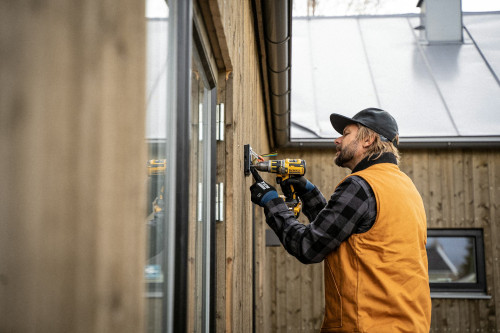
It’s not just about new construction. Renovating existing homes with energy-efficient upgrades, better insulation, and environmentally friendly materials is just as important. In the U.S., buildings account for nearly 40% of total energy consumption, so even small improvements can have a significant impact.
Choosing Materials with Care
The materials used in construction play a major role in both environmental impact and indoor health. Traditional materials like concrete and steel require large amounts of energy to produce, while natural or recycled materials often have a much smaller carbon footprint.
- Wood is a renewable resource that stores carbon throughout its life in a building. It can be used for framing, siding, and interior finishes.
- Reclaimed materials such as bricks, doors, and windows give new life to old resources and reduce the need for new production.
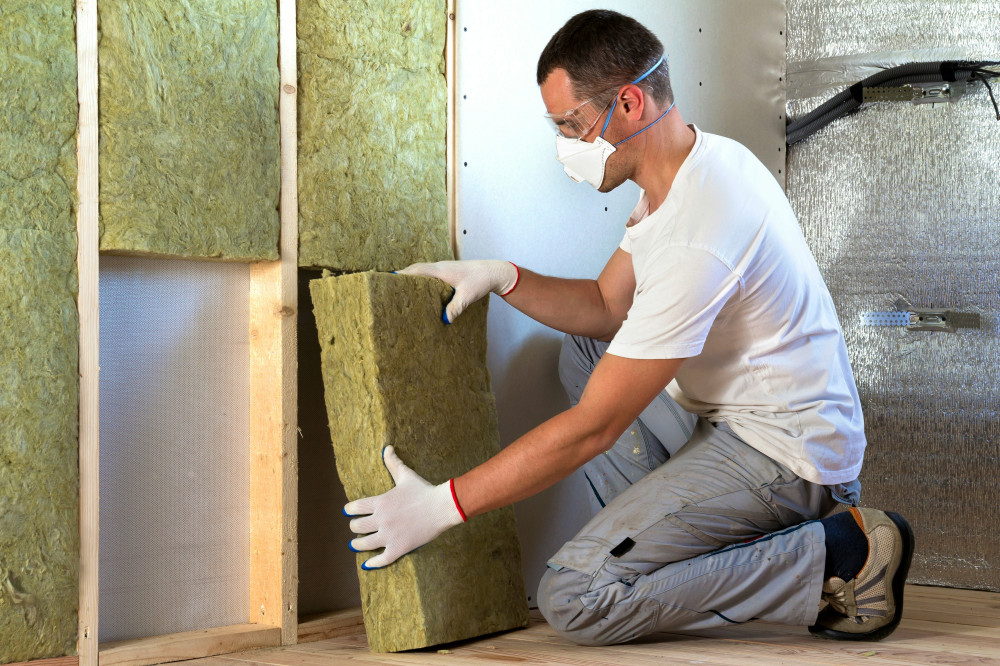
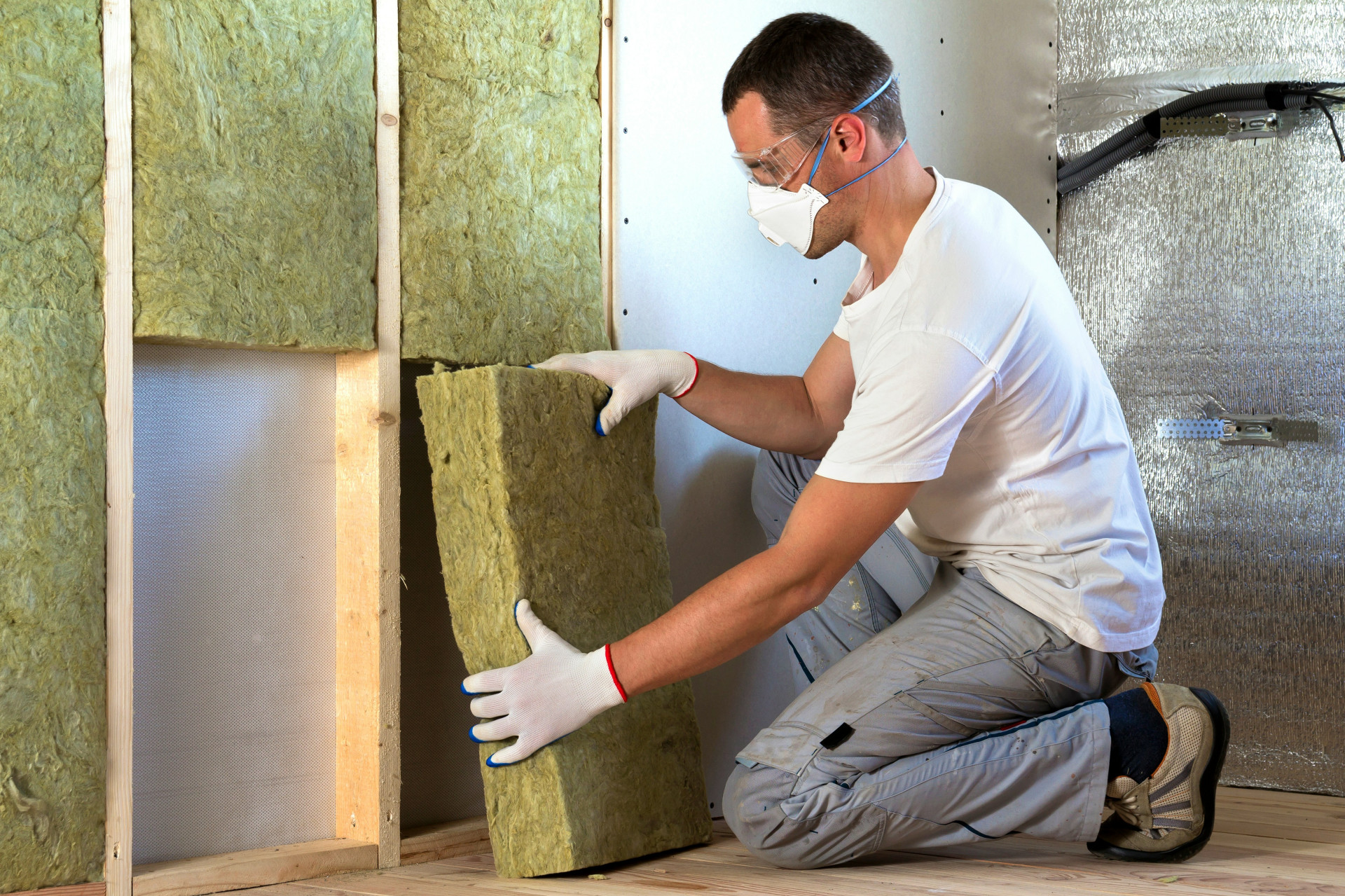
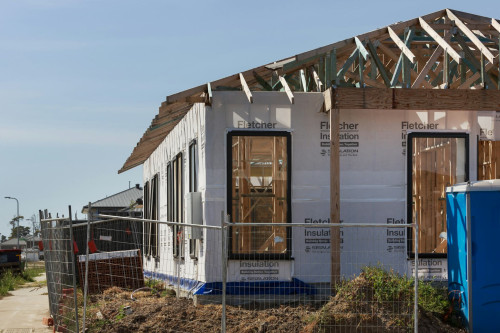
- Eco-friendly insulation made from hemp, cellulose, or recycled denim can replace conventional products and help maintain a healthy indoor climate.
By choosing materials with low embodied carbon and long durability, homeowners can significantly reduce the overall environmental footprint of their homes.
Energy Efficiency and Indoor Comfort
A sustainable home is energy-efficient, but it should also be comfortable to live in. Proper insulation, high-performance windows, and modern ventilation systems reduce heat loss and energy use while ensuring fresh air and stable indoor temperatures.
Solar panels, heat pumps, and rainwater harvesting systems are examples of technologies that can make a home more self-sufficient and less dependent on fossil fuels. Many of these solutions can be integrated into both new builds and renovation projects.
Indoor comfort also depends on factors like humidity, noise, and natural light. Features such as green roofs, natural ventilation, and large windows can create a healthier, more pleasant living environment while reducing the need for artificial lighting and mechanical systems.
Economic and Long-Term Value
While sustainable construction may require a higher upfront investment, it often pays off over time. Lower energy bills, reduced maintenance costs, and increased property value are just a few of the financial benefits.
In the U.S., homeowners can also take advantage of federal and state incentives for energy-efficient upgrades and renewable energy systems. Programs like the Inflation Reduction Act offer tax credits for solar panels, heat pumps, and other green improvements—making sustainable choices more accessible than ever.
Sustainability is also about resilience—building homes that can adapt to future needs and withstand the effects of climate change. Flexible design that allows for room reconfiguration or expansion extends a building’s lifespan and reduces the need for new construction.
Læs også:
Everyday Life in a Sustainable Home
A sustainably built home sets the stage for a greener lifestyle. When your home is energy-efficient and made from healthy materials, it becomes easier to live in an environmentally conscious way without sacrificing comfort.
Simple habits—like recycling, conserving water, and choosing eco-labeled products—can amplify the benefits of sustainable construction. In this way, sustainability becomes not just a design principle but a natural part of daily life.
An Investment in the Future
Sustainable construction is more than a trend—it’s a necessity for building a greener future. By thinking sustainably when we build and renovate, we can reduce our carbon footprint, improve our quality of life, and ensure that future generations inherit healthy, durable homes.
It’s about taking responsibility—not only for our own homes but for the shared environment we all depend on.
Læs også: