Wants vs. Needs: How to Prioritize When Budgeting for Your Construction Project

Wants vs. Needs: How to Prioritize When Budgeting for Your Construction Project
For many Americans, building or remodeling a home is a lifelong dream — but it’s also one of the biggest financial commitments you’ll ever make. Whether you’re constructing from the ground up, adding an extension, or renovating an older property, keeping your budget under control is essential. One of the toughest parts of the process is distinguishing between what you need and what you simply want. Here’s how to prioritize your spending so your project stays on track without sacrificing what truly matters.
Start with the Essentials: Your Needs
Needs are the non-negotiable elements that make your project safe, functional, and compliant with local building codes. They form the foundation — literally and financially — of your construction plan.
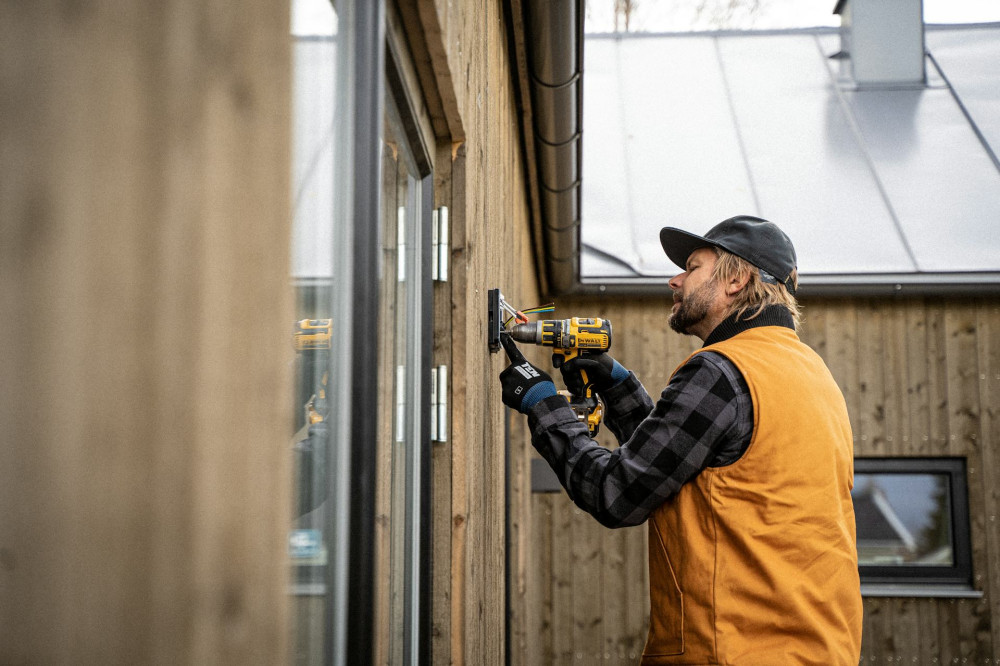
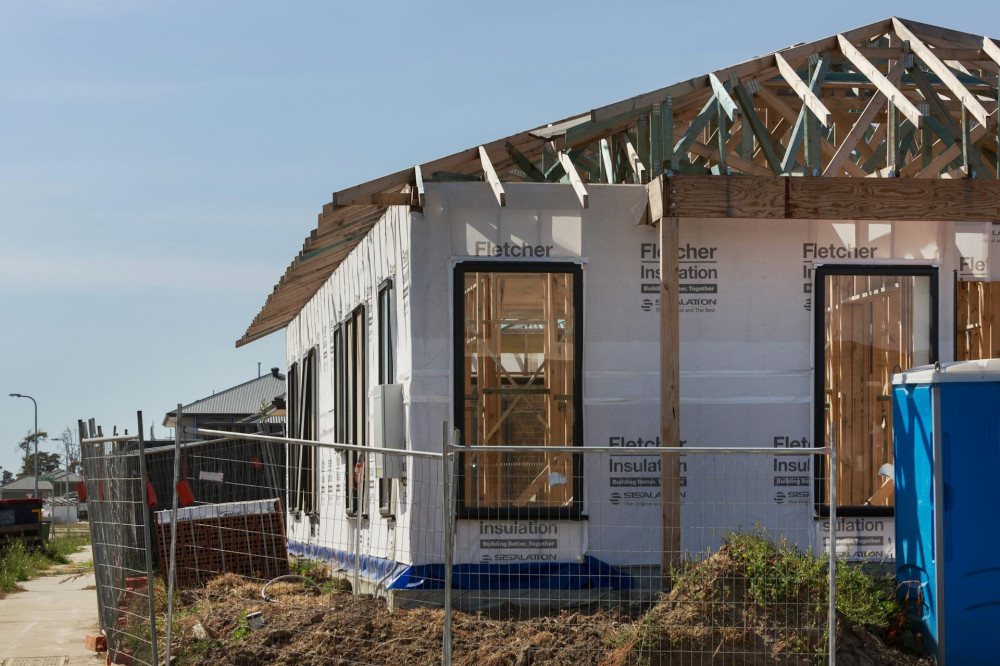
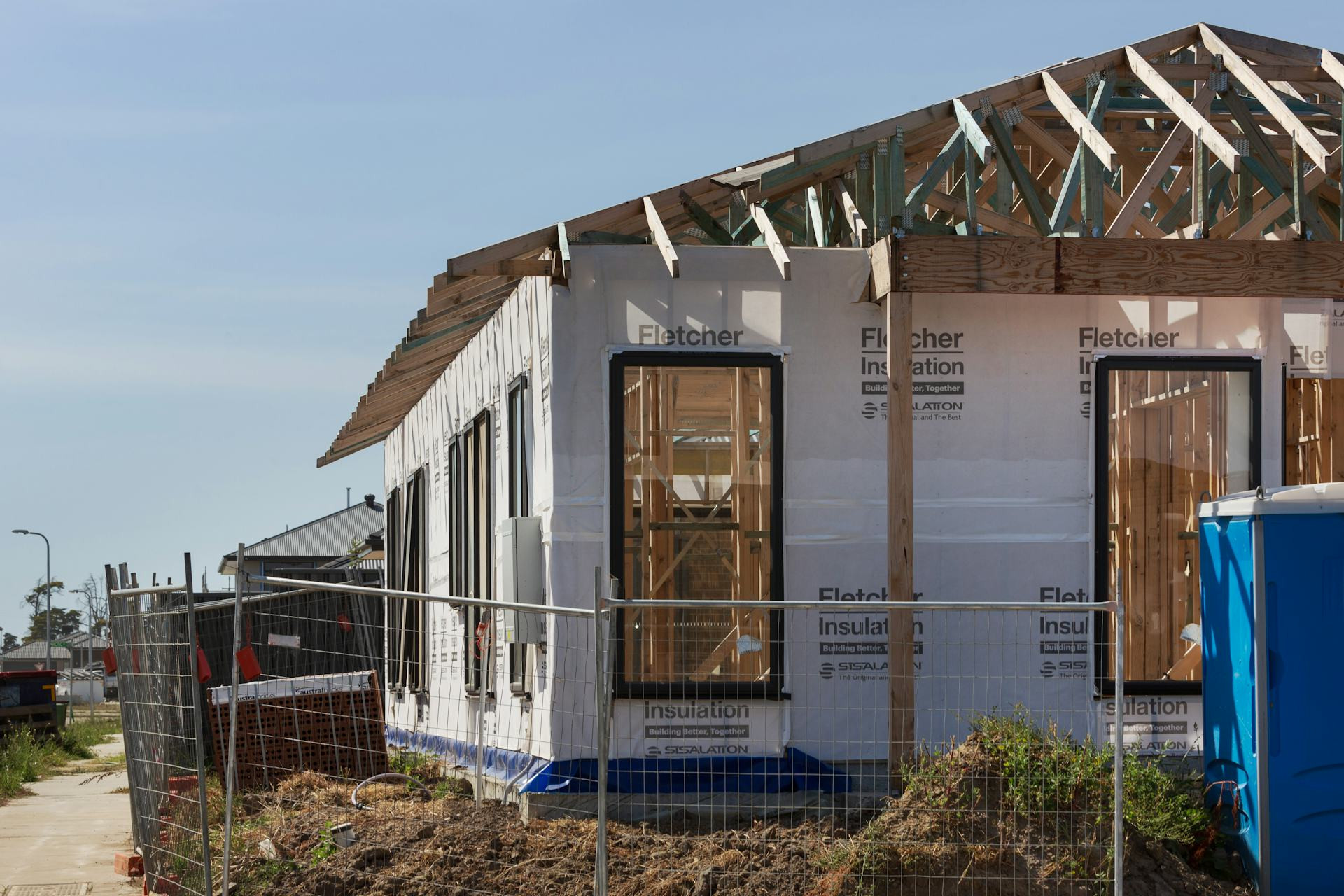
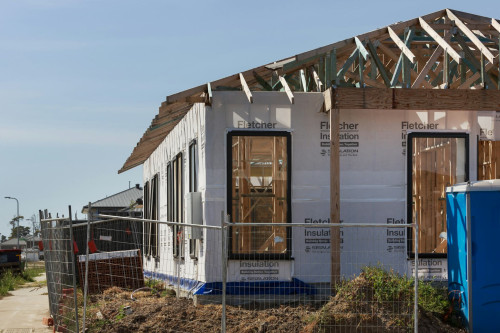
- Structure and safety: The foundation, framing, roof, and electrical systems are not areas to cut corners. These components ensure your home’s stability and must meet state and local code requirements.
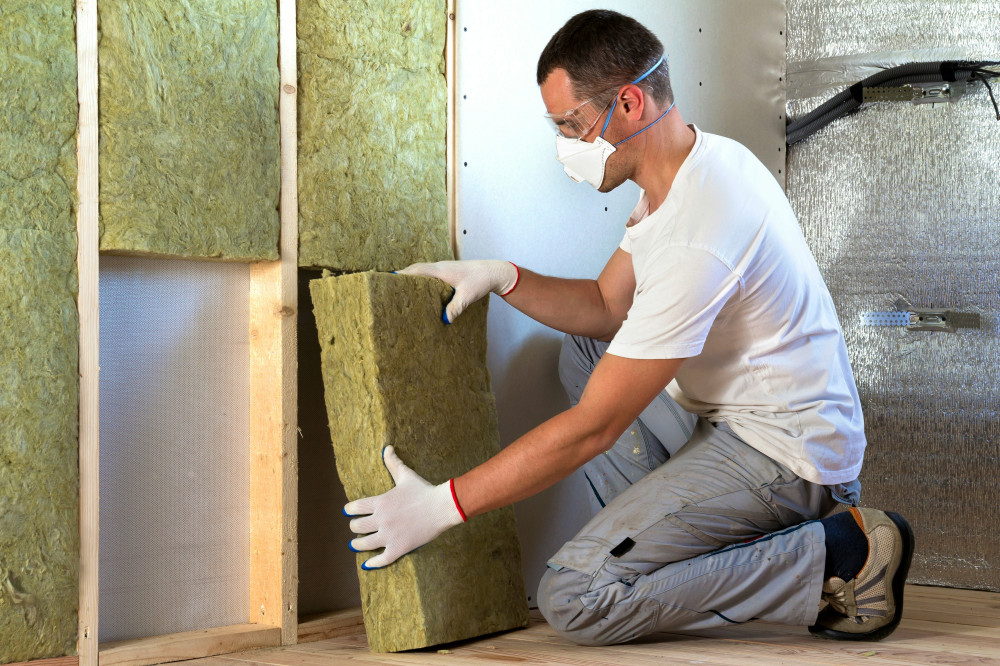
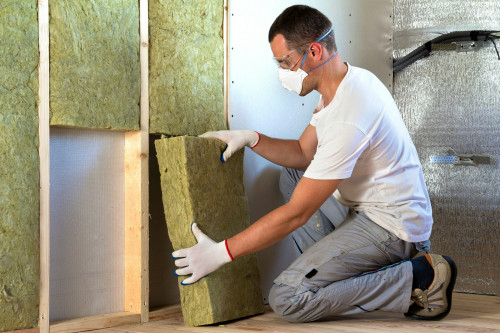
- Energy efficiency: Proper insulation, quality windows, and efficient HVAC systems are smart investments. They reduce long-term energy costs and improve comfort.
- Functional spaces: Kitchens, bathrooms, and bedrooms should be designed for durability and practicality. Focus on functionality before luxury.
Once you’ve defined your needs, you’ll have a clear picture of what must be included in your budget before you start adding extras.
Make Room for the Dream Features — Wisely
Wants are the features that make your project unique and enjoyable. They reflect your personal style and can enhance your quality of life, but they’re not essential for the home to function.
Common “wants” might include:
- A larger kitchen with custom cabinetry
- Heated bathroom floors
- High-end finishes or designer fixtures
- A deck, patio, or outdoor kitchen
These upgrades can quickly add up, so it’s important to evaluate what brings the most value to you. Ask yourself: Will I still appreciate this feature five years from now? If the answer is yes, it may be worth prioritizing.
Build a Realistic Budget — and Stick to It
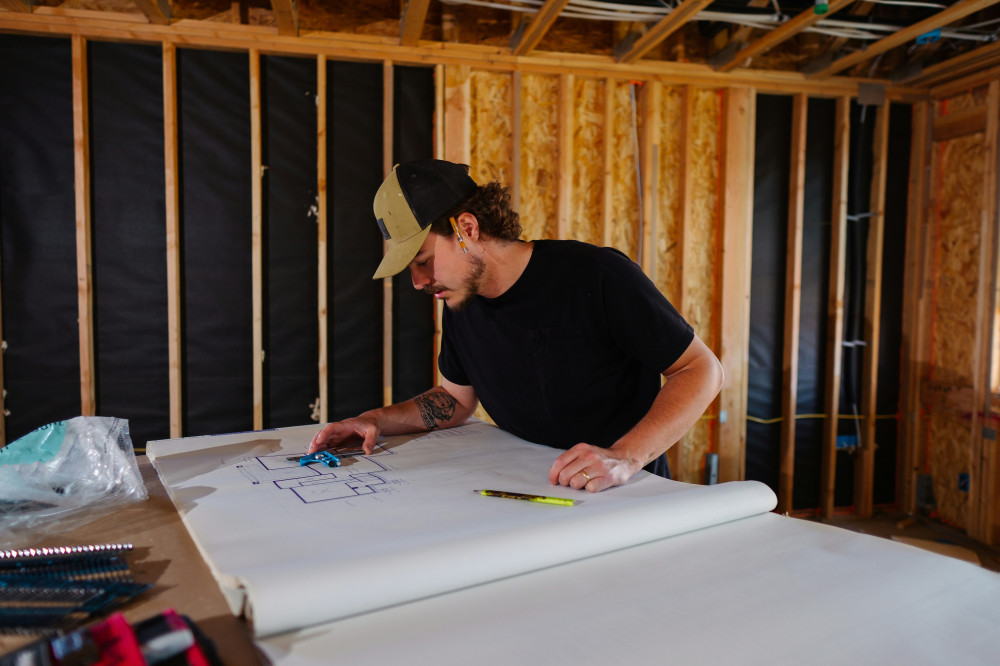
A solid budget is more than just a spreadsheet; it’s your project’s roadmap. Start by getting multiple quotes from contractors and suppliers to understand realistic costs. Be sure to include:
- Contingency funds: Set aside 10–15% of your total budget for unexpected expenses. Surprises are almost guaranteed in construction.
- Permits and fees: Building permits, inspections, and impact fees vary by state and municipality but can add thousands to your total.
- Timeline and financing: Delays can increase costs, especially if you’re paying interest on a construction loan.
Once you have a full picture of your expenses, you can make informed trade-offs — perhaps choosing a more affordable material in one area to free up funds for a feature you really want elsewhere.
Use a Simple Prioritization Method
To keep your decisions clear, divide your list into three categories:
- Must-haves – Essential for safety, function, and code compliance.
- Nice-to-haves – Features that improve comfort or aesthetics but aren’t critical.
- Can-wait items – Upgrades you can add later when your budget allows.
This approach helps you stay flexible if costs rise. You can always revisit the “can-wait” list once the project is complete and your finances have stabilized.
Think Long-Term — Financially and Practically
A construction project isn’t just about finishing the build; it’s about creating a home that works for years to come. Consider how your choices will affect the future:
- Maintenance: Cheaper materials may save money now but cost more in repairs later.
- Adaptability: Design spaces that can evolve with your family’s needs.
- Resale value: Some upgrades, like energy-efficient systems or modern kitchens, can increase your home’s market value, while others may only have personal appeal.
By thinking long-term, you’ll avoid spending on features that lose relevance or value over time.
Get Professional Guidance
Even with careful planning, it can be wise to consult a construction consultant, architect, or financial advisor. They can help you review bids, identify potential risks, and ensure you’re not overlooking key details. A small investment in expert advice can save you significant money and stress down the road.
Læs også:
Building with Balance
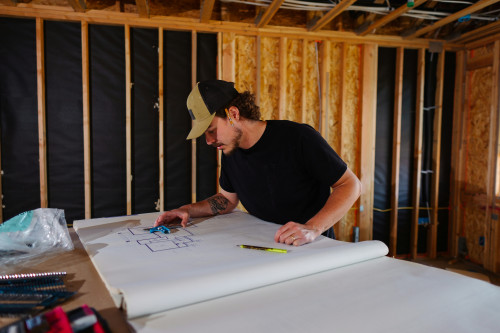
Budgeting for a construction project is ultimately about balance — between dreams and reality, between cost and comfort. By understanding the difference between wants and needs, planning realistically, and thinking ahead, you can create a home that fits both your vision and your financial goals.
Læs også: