Why Do Construction Projects Go Over Budget – and How Can You Avoid It?

Why Do Construction Projects Go Over Budget – and How Can You Avoid It?
A construction project often starts with excitement and a clear plan — but too many end up costing far more than expected. Whether you’re remodeling your kitchen, adding a new deck, or building a custom home, budget overruns are one of the most common challenges for homeowners and contractors alike. Why does it happen — and what can you do to keep your project on track?
The Most Common Reasons Projects Go Over Budget
There are many reasons construction projects exceed their budgets. Some can be anticipated, while others arise unexpectedly. Here are the most frequent culprits:
- Unrealistic initial budget – Many projects start with overly optimistic cost estimates. Homeowners or developers underestimate materials, labor, and unforeseen expenses. Sometimes it’s due to inexperience; other times, it’s an attempt to make the project look more affordable on paper.
- Changes during construction – Once work begins, new ideas often pop up: “What if we add a skylight?” or “Let’s upgrade to quartz countertops.” Every change adds time and cost.
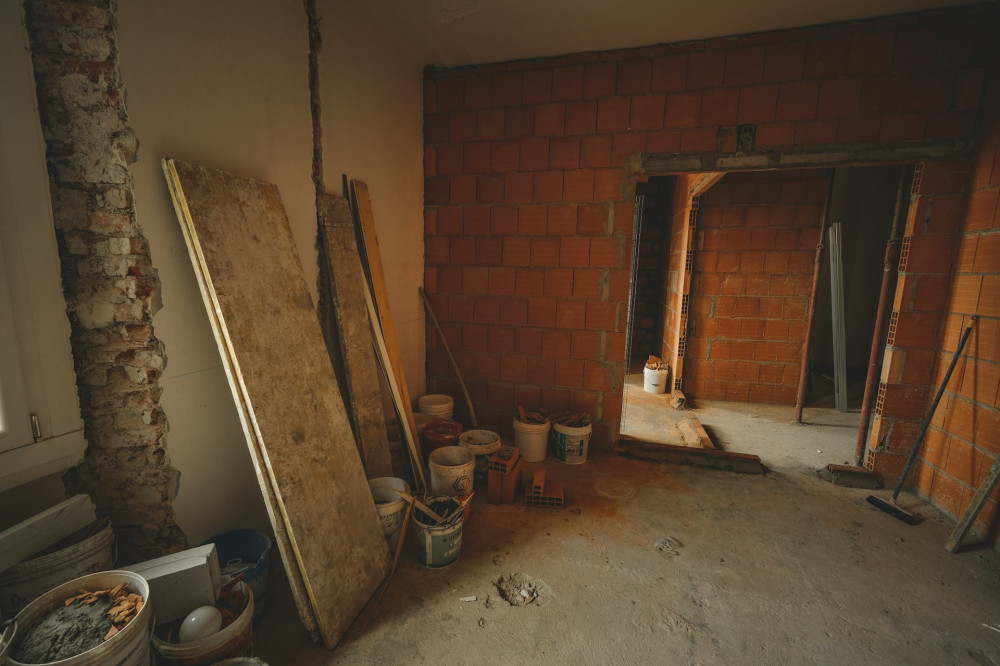
- Unexpected issues – Hidden structural damage, outdated wiring, or code compliance problems can quickly drive up expenses.
- Poor planning – Incomplete designs or vague project scopes lead to delays, rework, and miscommunication between contractors and subcontractors.
- Fluctuating material prices – The cost of lumber, steel, and concrete can change dramatically. If your project spans several months, price increases can have a major impact on your budget.
Careful Planning Is the Key to Cost Control
A realistic, detailed budget is your best defense against unpleasant surprises. Start by getting multiple bids from licensed contractors, and make sure each bid covers the same scope of work so you can compare apples to apples.
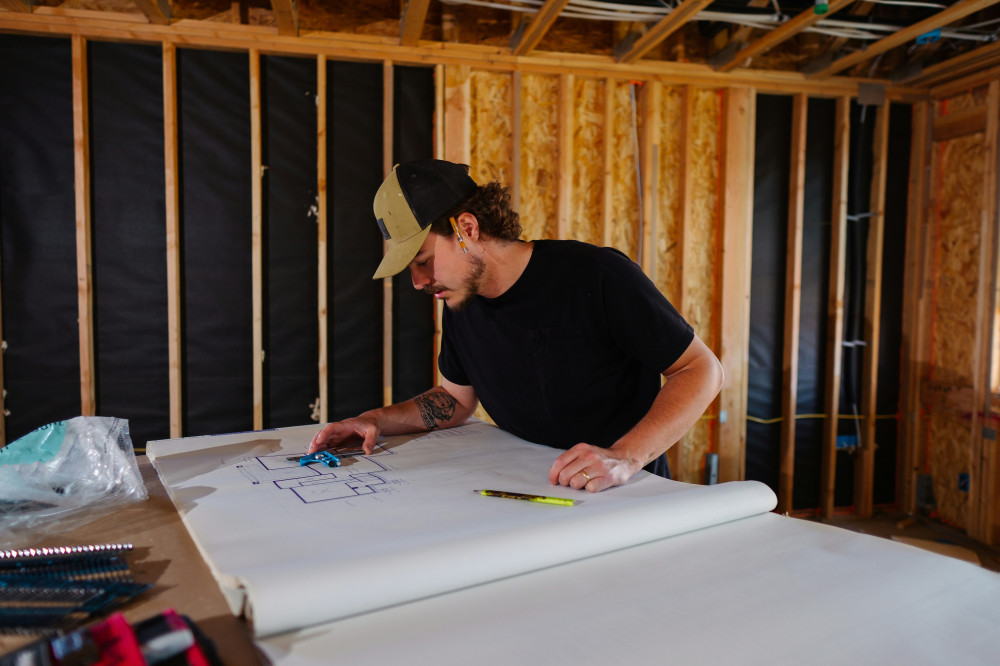
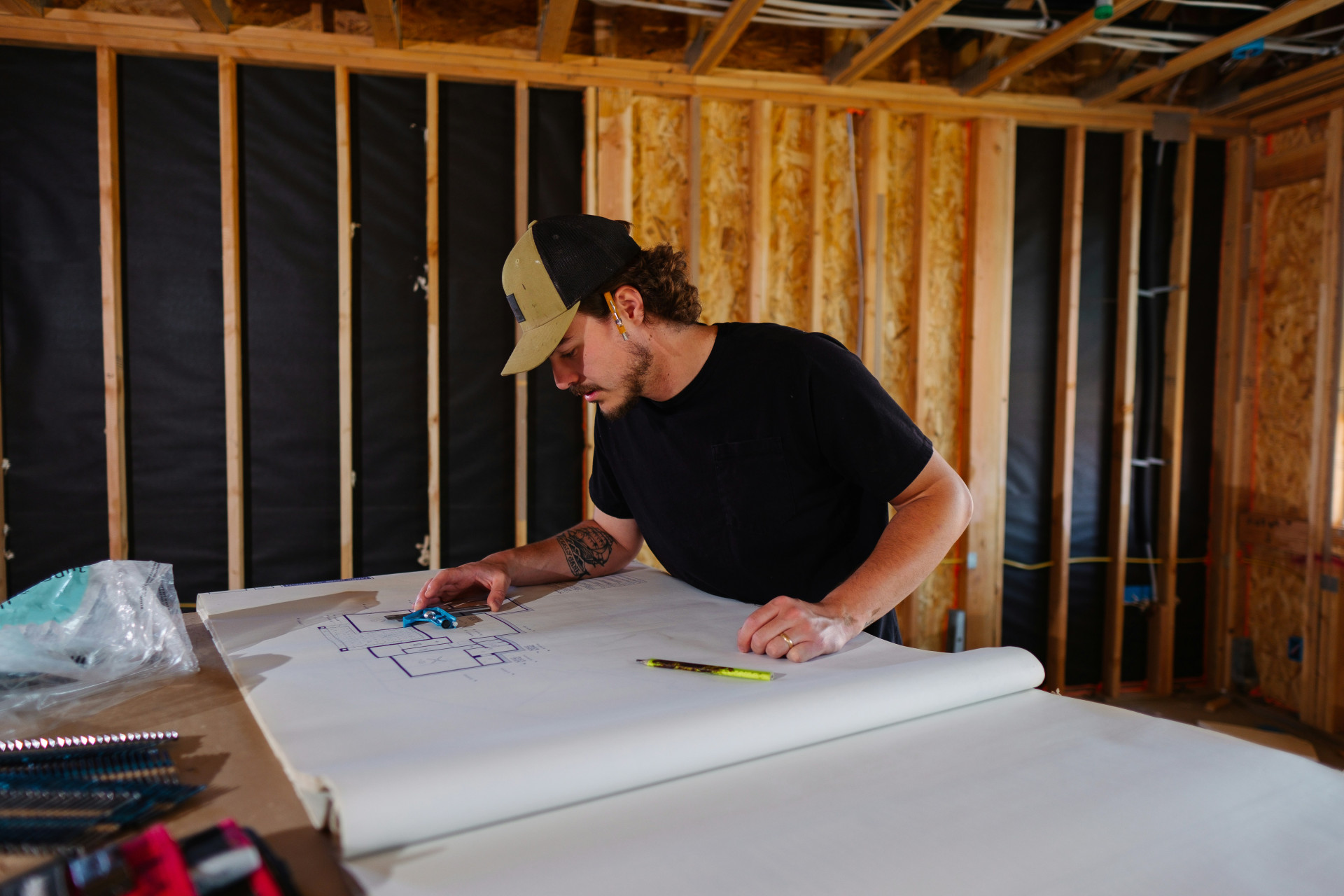
Create a comprehensive project plan that specifies materials, finishes, and quality standards. The more detailed your plan, the less room there is for misunderstandings and costly change orders.
It’s also wise to include a contingency fund — typically 10–15% of your total budget — for unexpected expenses. It may seem like a lot, but it’s often what saves your finances when reality doesn’t match the blueprint.
Communication With Contractors and Designers
Construction involves many players — architects, general contractors, subcontractors, and suppliers. If communication breaks down, mistakes and extra costs follow.
- Hold regular progress meetings to review the schedule and budget.
- Make sure all changes are approved in writing before work proceeds.
- Be clear about your expectations for quality, cost, and timeline.
Hiring a qualified project manager or construction consultant can also help you stay on top of both finances and quality. It’s an added cost that often pays for itself by preventing expensive errors.
Avoid the Classic Pitfalls
Even with good planning, there are common traps that can derail your budget. Here’s how to steer clear of them:
- “We’ll figure it out as we go” – Flexibility sounds appealing, but without clear agreements, costs spiral. Get everything in writing from the start.
- Choosing the cheapest bid – The lowest price isn’t always the best value. Check references, materials, and timelines before deciding.
- Lack of priorities – If money is tight, focus on what can’t easily be changed later (like structural work or plumbing) and postpone cosmetic upgrades.
- No financial tracking – Review your spending regularly. Many homeowners don’t realize they’ve gone over budget until it’s too late.
Use Technology to Stay on Track
Today’s digital tools make it easier than ever to manage your project’s finances. Budgeting apps, spreadsheets, and project management software can help you track expenses, invoices, and change orders. Some contractors even offer online project dashboards where you can monitor progress in real time.
By using technology proactively, you can spot potential overruns early — and fix small issues before they become big ones.
Læs også:
When Costs Still Rise
Even with the best preparation, surprises can happen. The key is to respond quickly and realistically. Review your budget, identify where the money is going, and see if parts of the project can be postponed or adjusted.
Talk openly with your contractor — often, there are creative solutions that keep costs under control without sacrificing quality.
Building Without Financial Stress
Building or remodeling is a major investment — both financially and emotionally. But with realistic planning, clear communication, and consistent follow-up, you can minimize the risk of going over budget. It’s not about avoiding every problem; it’s about being prepared for them.
When your finances are under control, you can focus on what really matters: creating a home that fits your needs and dreams — without breaking the bank.
Læs også: